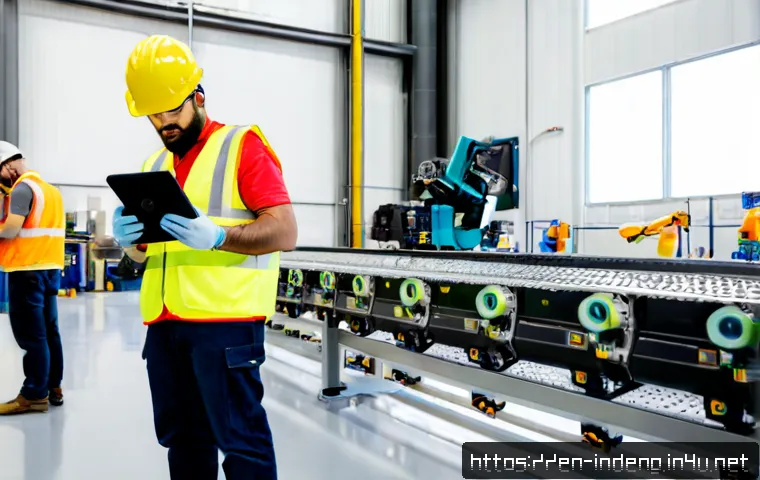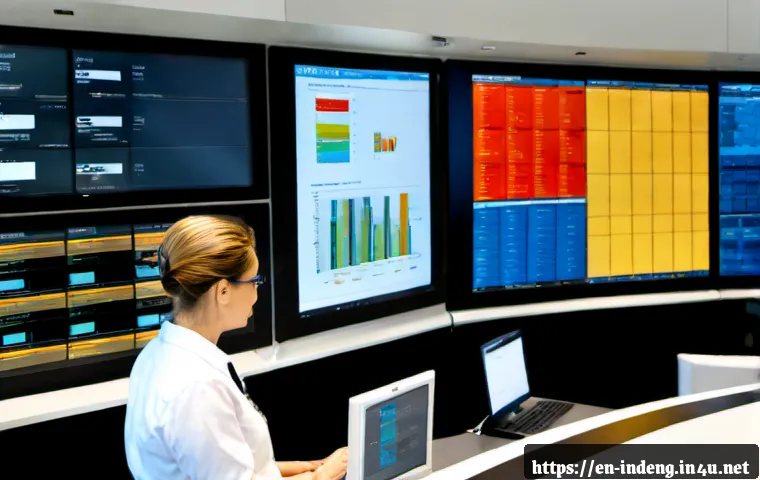
Industrial IoT security starts with four basics: asset visibility, controlled access, network segmentation, and an incident plan that protects safety and continuity.
Before buying a platform or managed service, teams should identify critical equipment, remote connections, and who will respond when an alert appears.
The right approach depends on the number and importance of connected assets, existing IT and OT skills, and the practical limits of legacy equipment. An industrial IoT security platform can improve monitoring and asset discovery, while managed security services may help teams that cannot maintain continuous oversight internally.
The goal is not to apply office IT security unchanged, but to build controls that fit production requirements.
At a Glance
- Start with visibility: know which sensors, controllers, gateways, cameras, mobile devices, and cloud services are connected.
- Limit exposure: use access control, least-privilege permissions, network segmentation, and reviewed remote access.
- Plan for continuity: patch carefully, define response ownership, and prepare for safety and recovery priorities.
| Approach | Best Fit | Internal Workload | Key Evaluation Question |
|---|---|---|---|
| In-house controls | Teams with capable IT and OT coordination | High | Can internal staff maintain inventories, access reviews, logging, and incident procedures? |
| Industrial IoT security platform | Operations needing broader asset visibility and monitoring | Moderate | Does the platform support industrial assets and fit existing network and operational workflows? |
| Managed security service | Teams with limited security coverage or complex remote operations | Lower day-to-day workload | What monitoring, escalation, access review, and response responsibilities are included? |
What Industrial Teams Need to Secure First
The short answer: visibility, access control, segmentation, and recovery planning
The minimum baseline for connected operations is straightforward: create an asset inventory, control who can access systems, separate important network zones, and prepare for an incident before one occurs. These controls work together. Visibility reveals what exists. Access control limits who can use it. Segmentation can reduce movement between devices or zones. Recovery planning gives teams a path to protect operations when normal work is disrupted.
Why connected operations create different risks than office networks
Industrial environments can include programmable controllers, sensors, gateways, cameras, mobile devices, and cloud-connected analytics platforms. Unlike many office systems, operational technology may have strict availability and safety requirements. A security change that is routine in conventional IT can have an operational impact in a factory, warehouse, or automated facility. Security decisions should therefore involve both IT and operational stakeholders.
Identify high-impact assets before expanding security tools
Not every connected device has the same operational importance. Start by identifying equipment tied to production flow, safety escalation, remote maintenance, and operational data. Record software versions, owners, data flows, and whether equipment is unsupported. This creates a practical basis for deciding where network segmentation, monitoring, or specialist support should be prioritized.
Compare Security Approaches for Connected Operations
Internal security controls: when existing IT and OT teams can manage them
An internal approach may fit organizations that already have people able to coordinate network administration, operational engineering, access reviews, patch planning, and incident response. This option can provide direct control, but it also requires clear ownership. Monitoring without a named responder, for example, does not create a complete security process.
Industrial IoT security platforms: visibility, monitoring, and integration considerations
An enterprise IoT security platform may be worth evaluating when teams need better asset discovery, device monitoring, or a clearer view of connections across operational networks. During vendor comparison, look beyond generic IT security features. Ask how the platform identifies industrial devices, supports network segmentation decisions, handles integrations, and fits established maintenance practices. A useful tool should support operational workflows rather than create unmanaged alerts.
Managed security services: when external expertise may be worth the cost
Managed security services can be a practical option where continuous monitoring, incident handling, or specialized industrial security knowledge is difficult to maintain internally. The value is not simply “outsourcing security.” It depends on the provider’s scope, escalation process, familiarity with operational continuity, and how responsibilities are divided between the provider, IT team, and plant personnel.
Comparison table: operational fit, staffing needs, implementation effort, and procurement questions
When comparing security software or service proposals, use operational fit as the main decision axis. A platform may improve visibility but still require internal staff to triage alerts. A managed provider may reduce daily workload but requires careful review of remote access, reporting, and response boundaries. Procurement conversations should focus on implementation effort, supported integrations, ownership, and the effect on production—not only feature lists.
Build a Practical Security Baseline Without Interrupting Production
Create an asset inventory and map data flows
List connected devices, their owners, software versions, network locations, and the systems they communicate with. Include vendor-managed connections and cloud analytics platforms. Mapping data flows helps teams see where operational data travels and where a connection could create unnecessary exposure.
Separate operational networks and restrict remote access
Industrial network segmentation can reduce the ability of an incident to move from one device or network zone to another. Remote access should be limited to approved users and specific purposes. Review it regularly, especially for third-party maintenance. Permanent access and shared credentials make accountability harder and increase exposure.
Set patching, credential, backup, and logging processes
Firmware updates can reduce known vulnerabilities, but industrial teams should assess operational impact and maintenance windows before deployment. Legacy devices may not safely support patches, endpoint agents, or modern authentication methods. For those systems, compensating controls such as tighter access restrictions and segmentation may need consideration. Credentials, backups, and logs also need defined owners and review processes.
Test incident response procedures around safety and downtime priorities
An incident response plan should address more than technical containment. It should cover operational continuity, safety escalation, communications, and recovery priorities. Test whether the right people know who can isolate a connection, who contacts vendors, and how production decisions are communicated during an event.
Common Industrial IoT Security Mistakes to Avoid
Treating all connected devices as ordinary IT endpoints

Industrial equipment may have different maintenance, availability, and safety constraints. Avoid assuming that a standard office endpoint process can be applied without operational review.
Allowing permanent vendor access or shared credentials
Vendor connections can be necessary, but access should be limited, monitored, and reviewed. Individual accountability and least-privilege permissions are stronger than broad shared access.
Buying monitoring tools before defining ownership and response workflows
A monitoring platform does not replace a response process. Before deployment, define who receives alerts, who validates operational impact, and who can make containment decisions.
Ignoring legacy equipment, unsupported software, and integration limits
Older assets may require a different protection strategy. Confirm compatibility before deploying agents, authentication changes, or firmware updates. Do not assume every security configuration is suitable for every facility.
Security Priorities by Operational Situation
Small facilities starting with connected sensors and gateways
Begin with inventory, basic access control, and a review of remote connections. A full security platform may not be the first requirement if the team has limited connected assets, but unmanaged devices should not be overlooked.
Warehouses and logistics operations with scanners, cameras, and automation
Focus on device ownership, wireless and network separation, and the data paths linking operational equipment to management systems. Consider how an outage could affect movement, visibility, or automated processes.
Multi-site manufacturers managing remote access and centralized data
Multi-site environments may benefit from centralized asset visibility, consistent access review, and a clear model for remote maintenance. An industrial IoT security platform or managed service can be evaluated where internal coverage is fragmented.
Engineering teams deploying new equipment or digital-twin initiatives
Build security requirements into procurement and deployment planning. Ask how new equipment will be identified, authenticated, monitored, updated, and separated from other network zones before it enters production.
Selection Criteria and Comparison Summary
Before requesting a vendor demo, scope estimate, or security assessment, check these points: asset discovery capability, industrial protocol and integration fit, network segmentation support, remote-access controls, alert ownership, incident escalation, and compatibility with legacy equipment. Assess value against downtime risk, asset criticality, staffing capacity, and implementation effort rather than relying on a generic product comparison. Review official documentation and detailed service conditions on the relevant provider page before making a platform or managed-service decision.
Closing Thoughts
Industrial IoT security is most effective when it supports reliable operations rather than operating separately from them. Start with a clear picture of connected assets and access paths. Then prioritize controls according to operational impact, available staffing, and realistic equipment limitations. A platform or external provider can help, but only when its role is connected to a defined response process.
Useful Information to Keep in Mind
Asset inventory: include device owners, software versions, data flows, and unsupported equipment.
Remote access: limit it, monitor it, and review it regularly.
Patching: assess operational impact and maintenance windows first.
Incident planning: include safety, communications, continuity, and recovery priorities.
Important Considerations
The appropriate security architecture, product, service provider, and implementation scope depend on each organization’s maturity, network design, obligations, budget, asset count, and internal staffing. Legacy equipment may not support every patch, agent, or authentication method. Technical and operational review is necessary before changing production-connected systems.
Frequently Asked Questions
Q1. What is the most important first step in industrial IoT security?
A1. Start with an asset inventory. Teams need to know what devices are connected, who owns them, what software they use, and how data moves before they can prioritize access controls, segmentation, or monitoring.
Q2. Should a small manufacturer buy an IoT security platform or use a managed security service?
A2. It depends on asset criticality, internal staffing, remote-access exposure, and the ability to monitor and respond consistently. A small facility may begin with internal baseline controls, while a platform or managed provider may be considered when visibility or response capacity is limited.
Q3. How can companies secure remote vendor access to industrial equipment?
A3. Limit access to approved users and defined purposes, apply least-privilege permissions, monitor connections, and review access regularly. Avoid permanent broad access and shared credentials where possible.