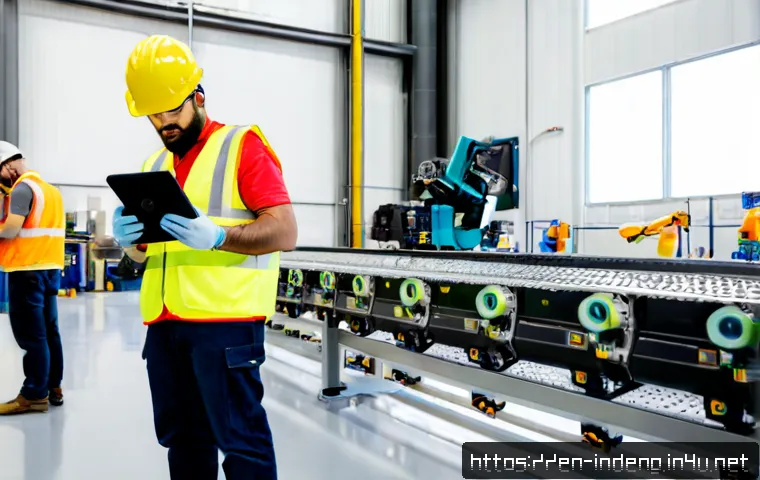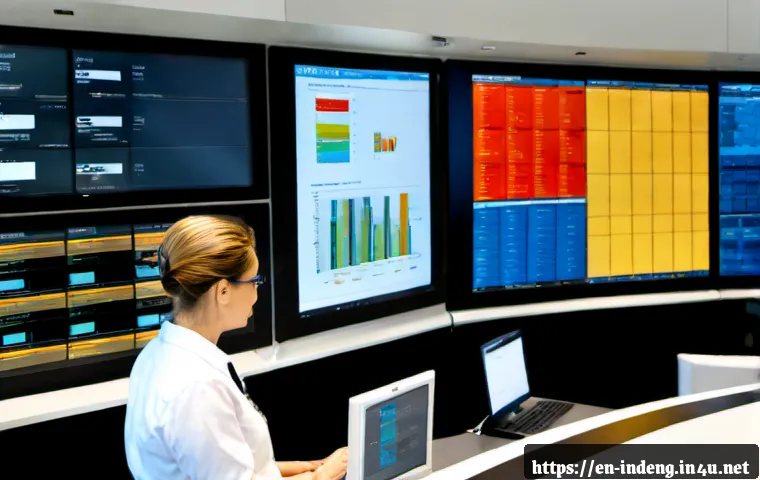
Industrial engineering research is moving toward AI-assisted decisions, digital twins, resilient supply chains, human-centered automation, and sustainable operations.

The best priority depends less on a popular technology and more on the operational decision, available data, and readiness to change workflows. For researchers, these themes offer opportunities to connect methods with real system constraints.
For operations leaders, they can guide investments in optimization software, simulation tools, enterprise analytics platforms, training, or consulting support.
For procurement teams, the practical question is whether a proposed solution can integrate with existing systems and support repeatable decisions. A focused evaluation is usually more useful than treating every research trend as a production-ready capability.
At a Glance
- AI and optimization are most useful when teams need better forecasting, scheduling, quality, or resource-allocation decisions.
- Digital twins and simulation are valuable for testing capacity, logistics, and facility changes before disrupting live operations.
- Human-centered and sustainable operations matter when automation, workforce design, energy use, and long-term resilience must be considered together.
| Research Theme | Typical Decision Use Case | Core Data Needed | Internal Capability to Assess | Vendor or Consulting Evaluation Question |
|---|---|---|---|---|
| AI and machine learning | Forecasting, scheduling, quality decisions | Historical operational, demand, process, or quality data | Data preparation, model validation, decision ownership | Can the platform explain, monitor, and integrate model outputs? |
| Digital twins and simulation | Capacity planning, logistics design, facility changes | Process flows, asset data, constraints, operating rules | Process mapping, scenario design, model maintenance | How easily can the model reflect changing layouts, policies, or constraints? |
| Sustainable operations | Energy-aware planning, circular systems, resource trade-offs | Resource use, process conditions, material flows | Cross-functional measurement and objective setting | Does the solution support multi-objective optimization and transparent assumptions? |
| Human factors and workforce design | Automation adoption, ergonomics, staffing, work design | Task flows, workload patterns, workforce feedback | Change management and worker-centered process design | How does the proposal account for training, usability, and operational acceptance? |
What Is Shaping Industrial Engineering Research Today?
Three key directions: smarter decisions, more resilient systems, and human-centered operations
Current industrial engineering research increasingly connects analytical methods to decisions that teams make every day. Smarter decisions include forecasting demand, selecting schedules, assigning resources, and identifying quality risks. Resilient systems focus on how operations respond when conditions, supply availability, capacity, or demand patterns change. Human-centered operations examine whether automation and process redesign support the people who must use, supervise, and improve the system.
These directions overlap. A scheduling model may be technically sound but fail in practice if it cannot work with actual labor rules, shop-floor information, or changing customer priorities. Research value rises when the model, workflow, data, and user experience are considered together.
Why research priorities are moving from isolated efficiency gains to end-to-end system performance
Improving one local process does not always improve the full system. Faster production at one point can create inventory pressure, congestion, quality issues, or downstream delays elsewhere. This is why operations research, supply chain analytics, simulation, and enterprise decision support are often evaluated through an end-to-end system lens.
Organizations assessing technology should ask where a decision affects upstream and downstream operations. A useful research project identifies the decision owner, the constraints, the information available at the moment of action, and the consequences of a wrong or delayed decision.
Comparing the Major Research Themes by Business Value and Readiness
AI and machine learning for forecasting, scheduling, and quality decisions
AI and machine learning are commonly explored for pattern recognition and prediction. In industrial settings, their potential role may include demand forecasting, maintenance-related signals, production scheduling support, and quality decision assistance. Their practical value depends on whether predictions lead to a clear action.
A model that forecasts demand is not automatically an operations solution. Teams still need rules for inventory, capacity, purchasing, or workforce decisions. When comparing an enterprise analytics platform or optimization software, examine data connectivity, model monitoring, scenario capability, explainability, and workflow integration. A highly accurate prototype may not support production use without governance, validation, and operational testing.
Digital twins and simulation for capacity, logistics, and facility planning
Digital twins and simulation models can help teams test operational scenarios without immediately changing the live environment. Typical applications include capacity planning, warehouse flow, transportation choices, facility layout, and service-process design. The central benefit is not the visual model alone; it is the ability to compare assumptions and consequences before committing resources.
Before selecting a digital-twin tool, clarify the intended decision. A model for strategic network design has different requirements from one used for frequent scheduling or near-real-time operations. Compare simulation software based on model transparency, data integration requirements, scenario management, collaboration features, and maintenance effort.
A common mistake is building an impressive representation of the system without deciding who will update it or how its outputs will affect planning. If the model cannot stay aligned with changing operational rules, its value can decline quickly.
Sustainable operations, circular systems, and energy-aware optimization
Sustainable operations research examines how organizations can incorporate resource use, material flows, energy considerations, and circular-system thinking into operational decisions. Rather than treating sustainability as a separate reporting activity, this work can frame it as part of planning, design, scheduling, and supply chain choices.
Many decisions involve competing objectives. A lower-resource option may affect lead times, service, quality, or available capacity. For this reason, a useful optimization approach should make trade-offs visible instead of hiding them inside a single score. Teams should confirm which objectives matter, who approves the trade-offs, and whether the required data is sufficiently reliable.
Human factors, ergonomics, and workforce design in automated environments
Automation changes tasks, handoffs, supervision needs, and training requirements. Human factors research helps organizations evaluate whether a new workflow is understandable, safe to operate, and realistic for the people using it. This is especially relevant where workers must respond to exceptions that automated tools cannot resolve alone.
Automation without workforce design can produce fragile processes. Evaluate not only what a system automates, but also who handles exceptions, how work is escalated, what training is required, and how feedback reaches process owners. Adoption is more likely to be durable when operators, planners, and technical teams are involved early.
From Research Idea to Operational Deployment
Define the decision problem before choosing a model or platform
Start with a decision rather than a technology label. For example, define whether the organization needs to allocate limited capacity, choose a shipment plan, reduce scheduling conflicts, or test a facility change. Then identify the decision frequency, the responsible team, the constraints, and the information available.
This step prevents a common mismatch: buying a broad analytics platform when the immediate need is a constrained optimization model, or building a custom model when a simulation package can answer the planning question. The method should fit the decision, not the other way around.
Assess data quality, system integration, cybersecurity, and governance needs
Operational tools depend on the quality and accessibility of their inputs. Teams should assess whether data definitions are consistent, whether process events are captured at the needed level, and whether key systems can exchange information reliably. Integration requirements may involve planning, execution, asset, quality, and reporting systems.
Governance also matters. Clarify who can change assumptions, approve model updates, review exceptions, and access sensitive operational information. Cybersecurity and access controls should be evaluated as part of the solution design, not after a pilot is already underway.
Avoid common mistakes in pilots, proofs of concept, and scale-up planning
A pilot can be useful when it tests a narrow, meaningful decision under real operating conditions. It is less useful when success is defined only by a demonstration or a technical output. Establish validation milestones around data readiness, user adoption, decision quality, integration feasibility, and process ownership.
Another mistake is assuming that a research prototype can move directly into production. A prototype may need stronger documentation, security review, monitoring, integration work, and operational validation. Plan scale-up responsibilities early, including maintenance for models, data pipelines, and business rules.
Which Trend Fits Different Organizations and Research Goals?
Manufacturing and maintenance teams
Manufacturing and maintenance teams may prioritize scheduling, quality decisions, capacity planning, asset-related analysis, and workflow design. AI-assisted analytics can be relevant where recurring data supports prediction, while simulation can help test process or layout changes. Human factors should remain part of the evaluation when automation changes operator responsibilities.

Supply chain, warehouse, and transportation operations
Supply chain and logistics teams often face connected decisions across demand, inventory, transport, warehouse flow, and service requirements. Optimization software and supply chain analytics may support structured planning choices, while digital-twin approaches can help evaluate alternative network, capacity, or flow scenarios.
The key question is whether the selected tool matches the planning horizon and decision speed. A strategic model, a daily planning tool, and a real-time exception system may require very different data and operating models.
Healthcare, public systems, and service operations
Service operations can use industrial engineering methods for resource allocation, flow analysis, scheduling, queue management, and process redesign. These settings often require strong attention to workforce design, governance, user needs, and the consequences of operational disruption. A technically elegant approach should be tested against the realities of service delivery.
Universities and research teams planning industry collaboration
University and research teams can create more useful industry partnerships by defining the operational problem jointly with the partner organization. A strong collaboration distinguishes between research novelty and operational usability. It also addresses access to data, validation conditions, intellectual property expectations, deployment responsibilities, and whether the organization can sustain the work after the project ends.
Selection Criteria and Comparison Summary
When internal development is suitable versus buying software or hiring specialists
Internal development may fit when the decision problem is highly specific, internal teams have the required analytical and engineering capability, and the organization can maintain the solution. Buying optimization software, simulation tools, or an enterprise analytics platform may fit when common capabilities, interfaces, support, and repeatable workflows are more important than a fully custom build.
External specialists or operations consulting support can be helpful when the organization needs independent process diagnosis, implementation structure, or expertise that is not currently available internally. The choice should consider long-term ownership, not only the initial project.
Questions to compare analytics platforms, simulation tools, and consulting proposals
Use a short comparison checklist before selecting a partner or platform:
- Does the solution address a specific operational decision with defined users and constraints?
- What source data, integrations, and data-cleaning work are required?
- Can users compare scenarios, understand assumptions, and manage exceptions?
- Who will maintain models, rules, interfaces, and governance after deployment?
- How will the proposal be validated in a real operational setting?
- What training and change-management support is included or required?
When comparing platform capabilities, request a demonstration using a representative workflow rather than a generic example. To request a scoped implementation estimate, provide the decision problem, expected users, current systems, available data, and integration requirements. Official product pages and proposal documents are the right place to confirm detailed conditions.
Cost, implementation effort, training, and long-term maintenance factors
Software pricing, implementation timelines, and measurable returns should not be assumed without a vendor- and project-specific evaluation. A lower initial software cost may still require substantial internal effort for data preparation, integration, training, and support. A custom solution may offer control but can create ongoing maintenance responsibilities.
Evaluate the full operating model: licensing or service terms where applicable, implementation scope, user training, technical support, data ownership, integration effort, and the internal team needed to keep the solution useful over time.
Building a Practical Research and Investment Roadmap
Start with a measurable operational bottleneck
Choose one bottleneck that has a defined process owner and a decision that can be improved. Avoid beginning with an abstract goal such as “use AI” or “build a digital twin.” A narrow starting point makes it easier to determine whether a research method or technology investment is genuinely useful.
Match methods to available data and decision frequency
Frequent decisions may need reliable data pipelines and clear operating rules. Less frequent strategic decisions may allow more time for scenario analysis and simulation. Match the method to the information available, the level of uncertainty, and the practical time available to act on the result.
Set validation milestones before expanding investment
Set milestones for data readiness, model credibility, user testing, integration feasibility, governance, and operational adoption. Review results before expanding the scope. This approach helps teams separate a promising research result from a solution that is ready for wider deployment.
Closing Thoughts
Industrial engineering research is most valuable when it improves decisions across real operational systems. AI, optimization, digital twins, sustainability methods, and human factors can reinforce one another, but they should not be adopted as isolated trends. Start with the decision, test the data and workflow assumptions, and assign ownership for long-term use. A practical roadmap is usually stronger than a broad technology commitment.
Useful Information to Keep in Mind
Optimization is often best understood as choosing among constrained alternatives. Simulation is useful for exploring how a system may behave under different assumptions. Digital twins require ongoing alignment with the real operation to remain useful. Human-centered design is not separate from performance; it affects whether a new process can be used consistently in daily work.
Important Considerations
The relative importance of these research themes varies by industry, region, funding priorities, organizational maturity, and the specific operational challenge. Research prototypes may not be ready for production deployment without validation, governance, cybersecurity review, integration work, and operational testing. Confirm software capabilities, implementation requirements, pricing, and support terms directly with the relevant vendor or service provider.
Frequently Asked Questions
Q1. What are the most important industrial engineering research trends for businesses today?
A1. Common priorities include AI-assisted forecasting and decision support, optimization, digital twins, simulation, resilient supply chain design, sustainable operations, and human-centered automation. The most relevant area depends on the organization’s decision problem, data foundation, and ability to implement process changes.
Q2. When should an organization buy optimization or simulation software instead of building models internally?
A2. Buying software may be suitable when the organization needs established capabilities, supported interfaces, repeatable workflows, and a manageable maintenance model. Internal development may be suitable for highly specific problems when internal teams can build, validate, govern, and maintain the solution. Compare platform capabilities, integration requirements, user needs, and long-term ownership before choosing.
Q3. Are digital twins and AI-based operations tools suitable for smaller operations teams?
A3. They can be suitable when the team starts with a focused operational decision and realistic data and maintenance requirements. Smaller teams should avoid treating a broad platform deployment as the starting point. A scoped evaluation can clarify the required integrations, internal skills, training effort, and whether external implementation support is needed.