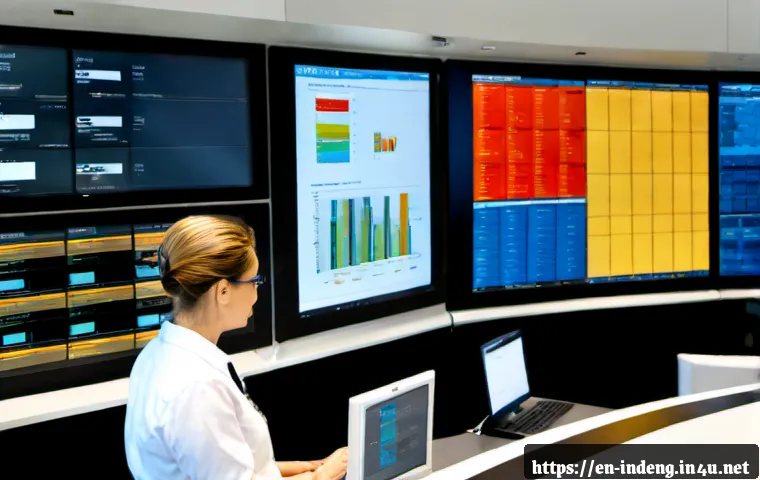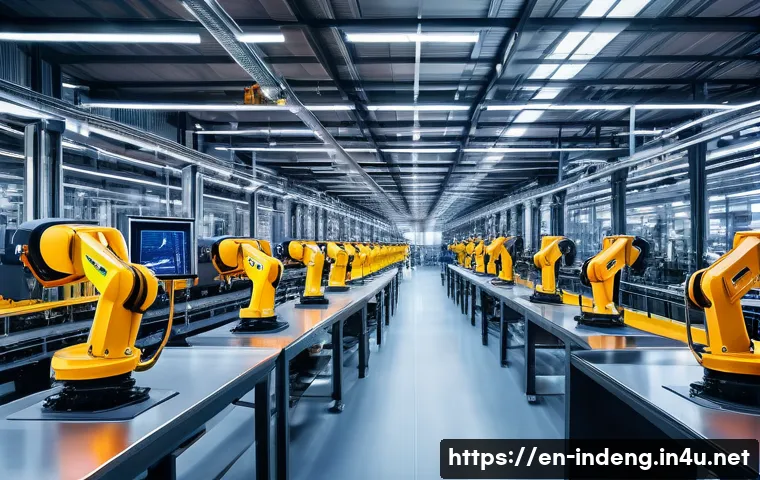
Industrial engineering process simulation helps teams test capacity, staffing, layout, and scheduling decisions before changing real operations. Learn how to scope a model, compare software options, estimate value, and avoid costly modeling mistakes.
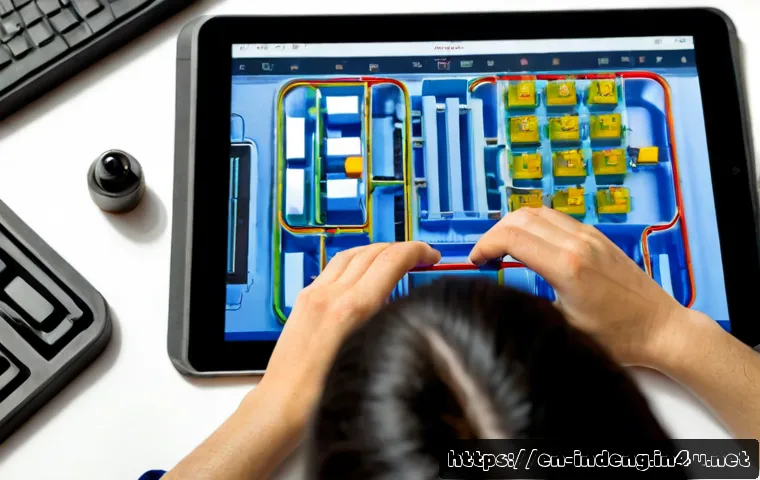
Process simulation is worth considering when a decision about capacity, staffing, layout, scheduling, or equipment reliability could disrupt live operations if tested directly. A simple spreadsheet may be enough for stable, high-level capacity questions, while discrete-event simulation is more suitable when queues, variability, routing, downtime, and resource conflicts drive the outcome. Enterprise simulation software or specialist consulting support can be justified when the model will inform a high-impact operational decision or must be reused across scenarios. The right choice depends on the system, available data, internal skills, reporting needs, and the required level of detail. A useful model does not promise a result; it helps teams compare assumptions before committing resources. Cost evaluation should include more than software licensing, including data preparation, model development, training, integration, and maintenance.
At a Glance
- Use process simulation to test operational scenarios without disrupting a real or proposed system.
- Choose the modeling approach based on variability, decision impact, data quality, and internal modeling capability.
- Verify and validate the model before using its outputs for major operational decisions.
| Approach | Best Fit | Key Strength | Main Watchpoint |
|---|---|---|---|
| Spreadsheet capacity analysis | Stable, high-level capacity questions | Fast and accessible for straightforward calculations | May not represent queues, routing, downtime, or variability well |
| Discrete-event simulation | Factories, warehouses, and services with changing operational events | Can model arrivals, failures, service completion, and order releases | Requires credible inputs and careful validation |
| Digital-twin platform | Teams needing broader operational visibility and repeated scenario work | May support more connected operational modeling and reporting | Integration scope and ongoing maintenance need review |
| Simulation consulting engagement | High-impact decisions or limited internal simulation skills | Specialist model development and decision support | Compare scope, assumptions, deliverables, and knowledge transfer |
When Process Simulation Is Worth the Investment
The Quick Answer: Decisions It Can Improve Before Operations Change
Industrial engineering process simulation creates a model of a real or proposed operation, allowing teams to test scenarios before changing the live system. It can help compare alternatives for throughput, cycle time, queue length, resource utilization, and work-in-process inventory. This is useful when changing staffing, equipment, layouts, release rules, or schedules would otherwise involve operational risk. The model should be treated as decision support, not as a promise that implementation will produce the same outcome.
Questions Simulation Answers Better Than a Static Spreadsheet
A static capacity calculation can be useful, but it may not capture the effect of event-driven operations. Discrete-event simulation is commonly used when the system changes at distinct events, such as arrivals, machine failures, service completion, or order releases. It is particularly helpful when a queue at one process step affects downstream resources, when routing rules matter, or when resource availability changes during the operating period.
When a Simpler Capacity Calculation May Be Enough
A spreadsheet may be the practical first step when the decision is narrow, demand and process conditions are relatively stable, and the team only needs a directional capacity view. It can also help define the baseline before evaluating commercial simulation software. Avoid expanding a simple question into a complex model unless the added detail changes the decision.
Compare Modeling Approaches, Software Costs, and Service Options
Spreadsheet Analysis vs. Discrete-Event Simulation vs. Digital-Twin Platforms
The best platform is not automatically the one with the most features. Start with the system type and the decision to be made. A spreadsheet can support basic analysis. A discrete-event simulation platform is better suited to operational variability, constrained resources, and event sequences. A digital-twin platform may be relevant when the organization needs broader integration, recurring scenario analysis, or operational reporting. Review whether the tool supports the required routing logic, resource rules, scenario management, visualization, and output reporting.
Build In-House, Buy a Platform, or Hire a Simulation Consultant
Build internally when the team has enough modeling skill, process knowledge, and time to maintain the model. Buy a platform when simulations will be repeated and internal users need ongoing access. Hire a consultant when the decision is important, the scope is specialized, or the organization needs help with model development and training. A consulting proposal should clearly identify assumptions, data responsibilities, validation steps, scenario scope, deliverables, and handover expectations.
Cost Categories to Include in a Realistic Project Budget
Software licensing is only one part of commercial simulation project cost. Include data cleaning, data preparation, model development, training, integration, reporting setup, and ongoing model maintenance. License terms, consulting fees, implementation timelines, and integration requirements vary by vendor, contract, and model scope. Ask for a clear separation between one-time implementation work and continuing costs.
Build a Reliable Operational Model Step by Step
Define the Decision, Scope, and Performance Measures
Begin with one operational decision rather than a vague goal to “optimize the process.” Define what will change, which alternatives will be compared, and which measures matter. For example, a warehouse team may compare labor coverage and dock scheduling while tracking queue length and throughput. A manufacturing team may compare buffer levels, staffing, and equipment availability while tracking cycle time and work-in-process.
Gather Process Data, Constraints, and Variability Assumptions
Relevant inputs can include arrival patterns, process times, routing rules, resource availability, and downtime. These inputs can materially affect simulation results. Document where each input came from, what period it represents, and which assumptions remain uncertain. A polished model with weak inputs can still produce misleading outputs.
Verify Model Logic and Validate Behavior Before Scenario Testing
Verification checks whether the model logic works as intended. Validation checks whether the model behaves in a way that is relevant to the real operation. Review flow logic, routing, constraints, queues, and resource rules before using scenario results in a major decision. Compare model behavior with relevant real-world behavior, then refine assumptions where needed.
Avoid Common Simulation Errors That Mislead Decisions
Modeling Every Detail Instead of the Decision-Critical Constraints
More detail is not always better. Over-detailed models take longer to build, are harder to review, and can hide the issue that actually matters. Include the constraints that affect the decision, such as a bottleneck resource, release rule, labor availability, or downtime pattern. Leave out detail that does not change the comparison between scenarios.
Using Averages That Hide Demand, Downtime, or Processing Variability

Average values may conceal the operational conditions that create queues and missed capacity. Where variability is relevant, represent it deliberately rather than assuming a single average explains the system. This does not require modeling every possible disruption; it requires identifying which sources of variation could materially affect the decision.
Presenting One Scenario Run as a Guaranteed Business Outcome
Simulation outputs represent assumptions and scenarios. They do not guarantee that a real implementation will produce identical results. Human behavior, supply-chain conditions, equipment disruptions, and other operational factors may differ from the model. Present results as comparisons with documented assumptions, not as risk-free forecasts or guaranteed return on investment.
Apply Simulation to Manufacturing, Warehousing, and Service Operations
Production Lines: Bottlenecks, Buffers, Staffing, and Equipment Reliability
Manufacturing teams can use simulation to test how bottlenecks, buffer locations, staffing choices, and equipment downtime affect line performance. The useful question is often not simply “Where is the bottleneck?” but “Which change improves the selected performance measure without creating a new operational constraint?”
Warehouses: Picking Capacity, Dock Scheduling, Labor Planning, and Layout
Warehouse simulation can compare picking capacity, dock scheduling, labor coverage, routing, and layout alternatives. It can be valuable when incoming arrivals, order releases, service completion, and shared resources create changing queues. The model should reflect the operating rules that matter, rather than treating every movement as equally important.
Service Systems: Appointment Flow, Queue Management, and Resource Coverage
Service operations can model appointment flow, queue management, and resource coverage when arrivals and service completion vary over time. The goal is to understand how resource availability and scheduling choices affect waiting, utilization, and throughput. Validation against relevant observed behavior remains essential.
Selection Criteria and Comparison Summary
Before requesting a software demo or consulting quote, check whether the option matches these decision needs:
- Decision fit: Can it represent the process rules, routing, queues, and resources relevant to the decision?
- Data readiness: Are arrival patterns, process times, downtime, and resource availability available or obtainable?
- Reporting needs: Can the team review throughput, cycle time, queue length, utilization, and work-in-process in a useful format?
- Implementation scope: Does the proposal state responsibilities for data preparation, modeling, training, integration, and maintenance?
- Ownership: Will internal users be able to understand, update, and reuse the model after delivery?
When comparing enterprise simulation software, licensing models, or implementation services, review the official product information and proposal terms for the exact capabilities and conditions.
Closing Thoughts
Process simulation is most valuable when it helps a team make a better operational choice before making a disruptive change. Start with a specific decision, define the measures that matter, and choose a modeling approach that matches the uncertainty in the system. A simpler model may be sufficient for a simple decision. For larger or repeated decisions, a validated simulation model can become a practical planning asset.
Useful Information to Keep in Mind
1. A model should be built around a decision, not around a desire to reproduce every operational detail.
2. Data quality and assumptions can affect results as much as the simulation software itself.
3. Training and model maintenance should be considered alongside initial licensing or consulting costs.
Important Considerations
Simulation cannot confirm that a decision is risk-free or predict every equipment, supply-chain, or human-related disruption. Exact software prices, project fees, timelines, and potential savings require vendor-specific terms and site-specific baseline data. Validate the model against relevant real-world behavior before relying on it for a major operational decision.
Frequently Asked Questions
Q1. Is process simulation worth the cost for a small manufacturing or warehouse operation?
A1. It may be worth considering when a change to staffing, capacity, layout, scheduling, or equipment use carries meaningful operational risk. For a narrow and stable question, a spreadsheet capacity model may be sufficient. The appropriate investment depends on the decision, available data, model scope, and whether the analysis will be reused.
Q2. What is the difference between a spreadsheet capacity model and discrete-event simulation software?
A2. A spreadsheet can support high-level capacity calculations and straightforward comparisons. Discrete-event simulation is designed to represent state changes at events such as arrivals, machine failures, service completion, and order releases. It is generally more suitable when queues, variability, routing rules, downtime, and shared resources affect outcomes.
Q3. Should an industrial engineering team build a simulation model internally or hire a consultant?
A3. Internal development can fit teams with the required modeling skills, process knowledge, and time to maintain the model. A consultant can be useful for specialized, high-impact, or time-sensitive work. Compare proposals based on model scope, validation approach, data responsibilities, training, deliverables, and the plan for future model ownership.