Connected sensors are most useful when they help a team make a specific production, maintenance, logistics, or energy decision faster. They are less useful when the underlying process, asset records, or response workflow is still unclear.
For many teams, a focused monitoring pilot is a safer starting point than a site-wide Industrial IoT rollout. The right choice depends on integration needs, data quality, cybersecurity controls, and who will act on alerts.
Comparing enterprise IoT platforms, sensor options, and systems integration support can clarify the practical scope before money is committed.
At a Glance
- Start with a decision: connect data to a clear action, such as investigating recurring downtime or locating delayed work-in-progress.
- Choose the scope carefully: sensor-only pilots, managed IoT platforms, and custom integrations solve different operational problems.
- Plan beyond hardware: integration, data quality, maintenance ownership, access control, and cybersecurity affect whether data becomes useful.
| Approach | Best Fit | What It Can Support | Main Consideration |
|---|---|---|---|
| Sensor-only pilot | A focused asset, line, area, or workflow with a defined question | Basic condition monitoring, location visibility, machine status, or energy observation | Useful data may still remain separate from MES, ERP, CMMS, or warehouse software |
| Managed IoT platform | Teams that need dashboards, alerts, device management, and analytics tools | Centralized monitoring across connected devices and operational dashboards | Platform interoperability, support scope, security controls, and ongoing software needs should be reviewed |
| Custom systems integration | Operations that need IoT data connected to established production or maintenance workflows | Data exchange with MES, ERP, CMMS, SCADA, or warehouse systems | Integration scope, legacy equipment compatibility, ownership, and total support requirements can be substantial |
Where Connected Operations Data Creates the Most Value
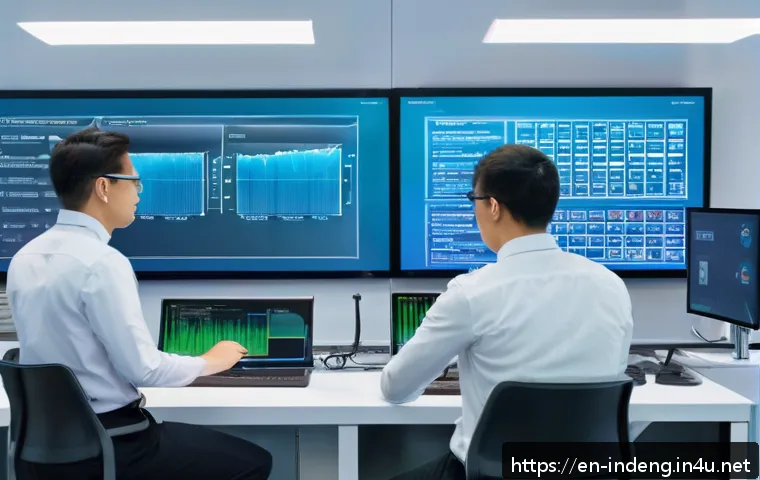
Industrial engineering teams use connected operations data to improve process visibility, not simply to collect more readings. The strongest use cases usually begin with a recurring operational question: Why does a machine stop? Where is work-in-progress waiting? Which assets need attention? When does power consumption change? Data is valuable when the people responsible for production, maintenance, quality, or logistics can use it in a defined workflow.
Three Quick Answers for Production, Maintenance, and Logistics Teams
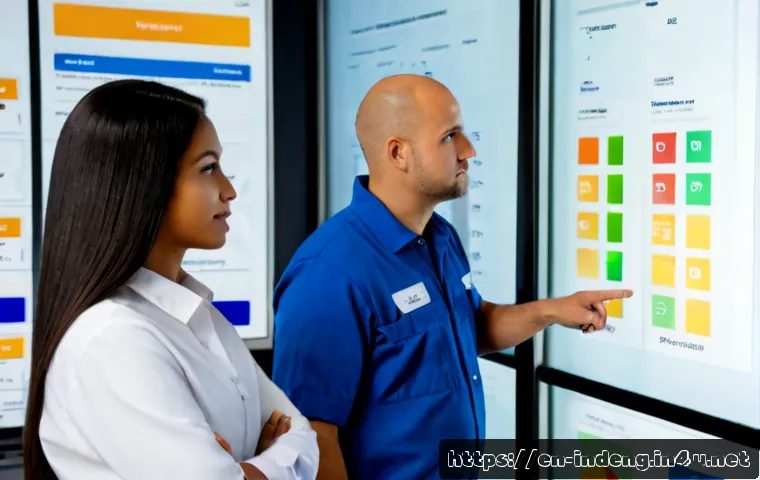
For production teams, connected machine status can help reveal downtime patterns, bottlenecks, and capacity constraints. For maintenance teams, condition-monitoring sensors may track temperature, vibration, pressure, or power consumption when those variables are appropriate for an asset. For logistics teams, location and movement data can help show where inventory, materials, or work-in-progress are moving slowly. In each case, the practical question is not “Can this be connected?” but “What decision changes when the data is visible?”
Problems That Should Be Fixed Before Buying Sensors
Sensors cannot replace a missing maintenance workflow, unclear production standards, inconsistent asset naming, or poor inventory discipline. If an alert has no owner, a dashboard may create more noise than value. Teams should also address basic questions before requesting an industrial analytics software demo: What event matters? Who reviews it? What action follows? How will the action be recorded? A well-defined operational process makes an IoT investment easier to evaluate.
Compare Common Industrial IoT Use Cases Before Investing
Machine Monitoring and Downtime Analysis
Machine monitoring can show operating status, stoppage patterns, and possible bottlenecks across a production flow. This information can support production planning by making machine availability and work-in-progress movement easier to observe. A useful implementation connects status data to a practical review process, such as examining repeated downtime categories or identifying where materials are waiting.
The caution is that status definitions must be meaningful. If “running,” “idle,” and “down” are interpreted differently by different teams, the dashboard may not support dependable decisions. Before comparing sensor deployment options, define the machine states and the person responsible for reviewing them.
Predictive Maintenance and Condition Monitoring
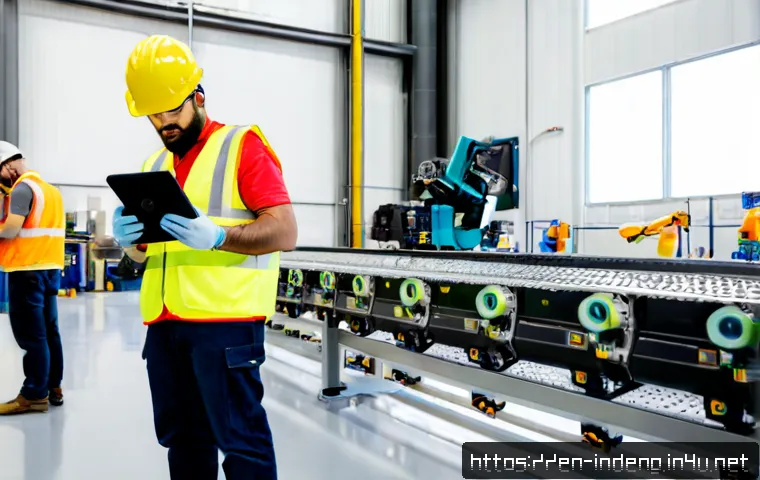
Condition monitoring can support maintenance planning when the measured variable has a credible relationship to asset condition. Temperature, vibration, pressure, location, and power consumption may be relevant depending on the equipment. However, predictive maintenance is not created by sensor data alone. It depends on reliable asset history, meaningful indicators of failure, and a maintenance workflow that turns findings into inspection, repair, or planning activity.
A maintenance team may begin with a limited set of critical assets rather than installing sensors everywhere. This makes it easier to test data accuracy, alert usefulness, and work-order handling before expanding the program.
Warehouse Tracking, Inventory Visibility, and Material Flow
In warehouses and distribution operations, connected devices may support visibility into inventory location, material movement, and work-in-progress flow. This can be especially useful where delays are difficult to see through manual records alone. Industrial engineering teams can use the information to investigate congestion, waiting time, route issues, or handoff delays.
Location data should still be checked against actual operating conditions. Coverage gaps, tag handling, process exceptions, and software integration can affect whether the data is complete enough for operational decisions. If warehouse software already holds key inventory records, integration requirements should be part of the implementation discussion.
Energy Monitoring and Utility Cost Control
Energy monitoring can make power consumption more visible by asset, process area, or operating period where suitable meters and connections are available. Teams may use this data to compare operational patterns, investigate unexpected consumption, and support resource-utilization discussions. It is generally more useful when paired with a specific question, such as whether a machine’s power pattern changes during idle periods or whether a process area shows unusual variation.
Do not assume that a monitoring system alone proves the cause of higher utility costs. Equipment condition, production schedules, operating practices, and data completeness all require review.
Evaluate Costs, Integration Work, and Expected Operational Value
Hardware, Connectivity, Software, Installation, and Support Cost Categories
An industrial IoT budget can include more than sensors. Teams may need to consider hardware, connectivity, data storage or processing, analytics software, dashboards, installation, integration, cybersecurity, and ongoing support. A managed IoT platform may simplify some device and dashboard functions, while a custom systems integration project may be needed when data must move between existing operational systems.
Exact costs, timelines, and payback periods depend on the facility, asset condition, network environment, software landscape, and project scope. Requesting itemized implementation quotes helps distinguish initial deployment work from recurring platform, connectivity, maintenance, and support responsibilities.
When a Pilot Project Is More Sensible Than a Site-Wide Rollout
A pilot is often sensible when the team needs to verify legacy machine compatibility, network coverage, sensor placement, data quality, or workflow adoption. Choose a contained problem with a measurable operational purpose. For example, a pilot might focus on recurring downtime for one production area, condition monitoring for selected assets, or material visibility at a known warehouse bottleneck.
A pilot should not become an isolated demonstration with no route to operational use. Define what would justify expanding it: dependable data, useful alerts, a workable ownership model, and a clear integration path if other systems need the data.
Measuring Value Through Downtime, Scrap, Labor, Throughput, and Energy Metrics
Value measurement should match the original decision. A downtime project may review downtime patterns and machine availability. A quality-related project may examine whether process visibility supports investigation of scrap or variation. A material-flow project may focus on work-in-progress movement and throughput constraints. Energy monitoring may compare consumption patterns against operating conditions.
Use existing operational measures where possible, and avoid treating a dashboard metric as a complete performance explanation. The data should support investigation and action, not replace engineering judgment or site knowledge.
Build a Reliable Deployment Without Creating New Process Problems
Define the Decision Each Data Point Should Support
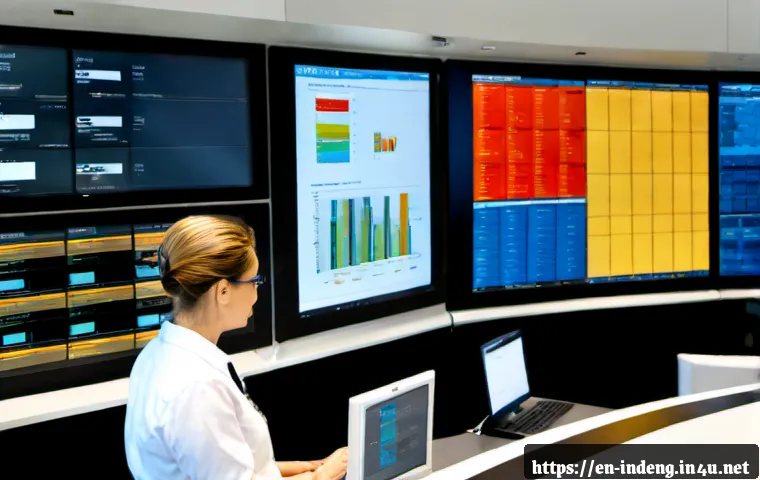
Every data point should have a purpose. Ask: What decision will this reading support, who makes it, and what happens next? This simple test can prevent unnecessary sensor deployment and dashboard clutter. It also helps a systems integrator or IoT platform provider understand the required alerts, user roles, data retention needs, and connections to existing software.
Check Data Quality, Network Coverage, and Legacy Equipment Compatibility
Collected data may be incomplete, inaccurate, delayed, or difficult to interpret. Sensor placement, environmental conditions, connectivity reliability, and machine interfaces can all matter. Legacy machines may require additional assessment before they can provide usable status or condition data. Verify compatibility rather than assuming a specific sensor, connection method, or platform will work in every environment.
Avoid Common Failures: Dashboard Overload, Unclear Ownership, and Isolated Data
A long list of charts does not automatically improve operations. Give each dashboard a user, a review rhythm, and a defined operating purpose. Assign ownership for device maintenance, data review, alert response, and software administration. Also consider whether isolated IoT data needs to connect with MES, ERP, CMMS, SCADA, or warehouse software before it can influence planning, maintenance, or inventory workflows.
Include Cybersecurity and Access Controls From the Start
Industrial IoT deployments require cybersecurity planning from the beginning. Core considerations include device access control, network segmentation, software updates, and data governance. Teams should clarify who can view, change, administer, or export operational data. Security requirements may differ by site, equipment type, workforce arrangement, and applicable rules, so facility-specific review is necessary.
Match the Approach to Your Operating Environment
Discrete Manufacturing and Assembly Lines
Discrete manufacturing and assembly operations may prioritize machine status, downtime patterns, bottleneck visibility, quality-related process information, and work-in-progress movement. Integration with MES, ERP, or SCADA may become important when connected data must inform production planning or line-level decisions. Start with the operational constraint rather than a broad “smart factory” goal.
Warehouses and Distribution Operations
Warehouse teams may focus on inventory visibility, location tracking, material flow, and delayed handoffs. The most relevant question is often where items wait or become difficult to locate. If warehouse software already manages inventory records, assess whether IoT data should supplement the existing workflow or be integrated into it.
Process Industries, Utilities, and Remote Assets
Process industries, utilities, and remote assets may have a stronger need for condition information, pressure, temperature, power consumption, location, or remote status visibility. Connectivity options, environmental conditions, network segmentation, and maintenance access can shape the deployment design. Automated decisions should not be assumed unless data accuracy, completeness, security, and applicable safety requirements have been reviewed.
Selection Criteria and Comparison Summary
Before requesting vendor demos or systems integration quotes, compare options against a short operational checklist:
- Use-case fit: Does the solution support a specific production, maintenance, warehouse, or energy decision?
- Interoperability: Can it work with relevant MES, ERP, CMMS, SCADA, or warehouse software if integration is required?
- Scalability and support: Who manages devices, updates, data quality issues, and user support as the project expands?
- Security: How are device access, network segmentation, updates, and data governance handled?
- Total cost scope: Are hardware, connectivity, platform software, installation, integration, and ongoing support clearly separated?
- Internal versus external resources: Does the internal team have the time and technical ownership needed, or is external implementation help appropriate?
For a vendor demo or implementation quote, ask providers to show how their sensor, platform, or integration approach supports your existing workflow—not only how the dashboard looks. Official product documentation and detailed implementation terms are the right places to confirm capabilities, compatibility, and support conditions.
Final Thoughts
Industrial IoT can help industrial engineering teams see operational conditions that are otherwise difficult to track. The practical value comes from linking connected data to an action, owner, and workflow. A narrowly defined pilot can reveal whether sensor data is reliable and whether integration work is justified. The best solution is not always the most extensive platform; it is the approach that fits the decision the operation needs to make.
Useful Information to Keep in Mind
1. Sensors are one part of an IoT system; connectivity, processing, analytics, dashboards, and alerts also matter.
2. Predictive maintenance needs asset history, relevant indicators, and maintenance workflows.
3. Integration can be necessary before connected data affects planning, work orders, inventory, or production decisions.
4. Device management and cybersecurity remain ongoing responsibilities after installation.
Important Considerations
Actual deployment cost, savings, payback period, timeline, and compatibility cannot be determined without reviewing the facility and its existing systems. Data may not be accurate, complete, or secure enough for automated operational decisions without validation. Regulatory, privacy, workforce, union, safety, and site-specific requirements may also apply and should be checked before deployment.
Frequently Asked Questions
Q1. Which IoT use case usually delivers the fastest value for a manufacturing operation?
A1. A focused use case with a known operational problem is often easier to evaluate than a broad rollout. Machine downtime visibility, selected asset condition monitoring, or a specific material-flow bottleneck may be practical starting points when there is a clear owner and response process.
Q2. How much does an industrial IoT pilot typically cost to plan and operate?
A2. The cost depends on the sensors, connectivity, installation requirements, software or platform needs, integration scope, cybersecurity controls, and ongoing support. Request itemized quotes so hardware, software, implementation, and continuing operating responsibilities can be compared clearly.
Q3. Should a company choose an IoT platform or hire a systems integrator for a custom deployment?
A3. An IoT platform may be suitable when device management, dashboards, alerts, and standard analytics are the main needs. A systems integrator may be more appropriate when the project must connect with MES, ERP, CMMS, SCADA, or warehouse software. The better option depends on interoperability needs, internal engineering resources, security requirements, and long-term support ownership.