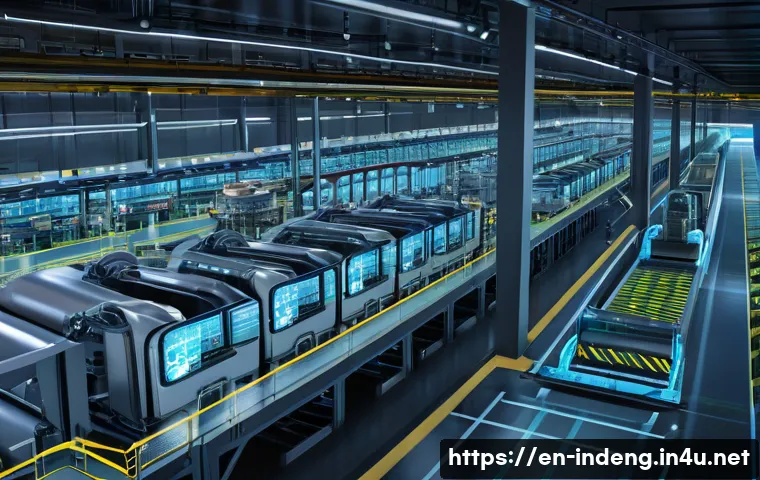
Hey there, fellow innovators and efficiency enthusiasts! Have you ever paused to think about how much the world of industry has transformed in just the last few years?

It feels like just yesterday we were talking about process improvements, and now we’re deep into a digital revolution that’s reshaping everything we thought we knew.
As an industrial engineer, my passion has always been about making things work better, smarter, and more seamlessly, whether it’s a tiny tweak on a production line or a massive overhaul of an entire supply chain.
But lately, what’s truly grabbed my attention, and frankly, completely blown me away, is the incredible synergy happening between traditional industrial engineering principles and the sheer power of cloud computing.
I’ve seen firsthand how cloud technology isn’t just a buzzword; it’s a fundamental shift, offering unparalleled scalability, real-time data insights, and a level of collaborative flexibility that was once just a pipe dream.
Imagine making decisions with precision you never thought possible, or optimizing operations across continents from a single dashboard – that’s the reality we’re living in now.
This isn’t just about cutting costs; it’s about unlocking entirely new possibilities, powering the next generation of smart factories with AI, IoT, and even digital twins.
It’s a game-changer for businesses looking to innovate, stay competitive, and truly thrive in our fast-paced global economy. Ready to understand exactly how industrial engineering and cloud computing are creating the future, right now?
Let’s dive in and find out more!
Unlocking Unprecedented Operational Efficiency
You know, for years, my mission as an industrial engineer has been all about squeezing every last drop of efficiency out of systems, no matter how complex. It used to be a painstaking process of observation, manual data collection, and then a lot of late nights with spreadsheets. But let me tell you, cloud computing has fundamentally shifted the playing field. It’s like someone handed us a turbo-boost button we didn’t even know existed. I’ve personally seen companies, from small startups to multinational giants, completely overhaul their operational frameworks. We’re talking about automating repetitive tasks that used to eat up valuable employee hours, optimizing workflows in ways that just weren’t feasible before, and reducing waste across the board. The agility that cloud offers means you can implement changes, test them, and roll them out globally in a fraction of the time it once took. It’s not just about cutting costs; it’s about freeing up human capital to focus on innovation and strategic thinking rather than mundane, error-prone tasks. This transformation has been nothing short of phenomenal to witness, and honestly, to be a part of.
Streamlining Processes with Cloud-Powered Automation
One of the areas where I’ve seen the most dramatic impact is in process streamlining. Think about all those manual handoffs in a production line, or the labyrinthine approval processes that used to bog down product development. With cloud platforms, we can now integrate various systems – CRM, ERP, supply chain management – into a cohesive, automated workflow. I remember working with a client struggling with order fulfillment delays because of disparate systems. By migrating their data and processes to a cloud-based integration platform, we were able to automate order processing from customer inquiry to delivery notification. The improvement was almost instantaneous, cutting fulfillment times by over 30% and significantly reducing human error. This isn’t just theory; it’s what’s happening right now, making businesses leaner, faster, and far more responsive to market demands. It’s a joy to see the relief on a team’s face when they realize they can finally focus on strategic work instead of chasing down forms.
Predictive Maintenance: A Game Changer I’ve Witnessed
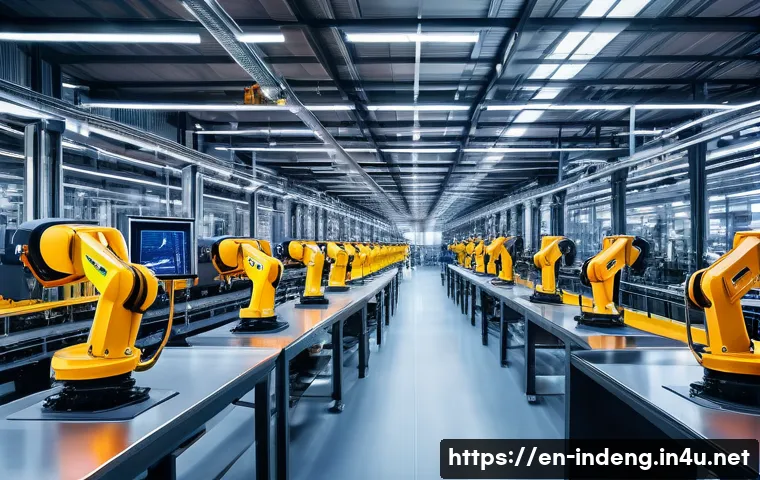
Another incredible application that still blows my mind is predictive maintenance. Gone are the days of scheduled maintenance that often meant pulling perfectly good machines offline or, worse, reacting only after a costly breakdown occurred. With cloud connectivity, sensors on machinery can continuously feed real-time performance data to the cloud. Advanced analytics then predict potential failures long before they happen. I recently worked with a manufacturing plant that implemented a cloud-based predictive maintenance system for their critical robotic arms. Initially, they were skeptical. However, after just a few months, the system accurately predicted a bearing failure on a key robot. They were able to replace the part during a planned, short downtime window, avoiding what would have been a catastrophic and very expensive unscheduled shutdown. This kind of foresight isn’t just about saving money; it’s about ensuring business continuity and significantly extending the lifespan of valuable assets. It’s truly a testament to the proactive power that cloud technologies bring to industrial engineering.
The Power of Real-time Data Analytics at Your Fingertips
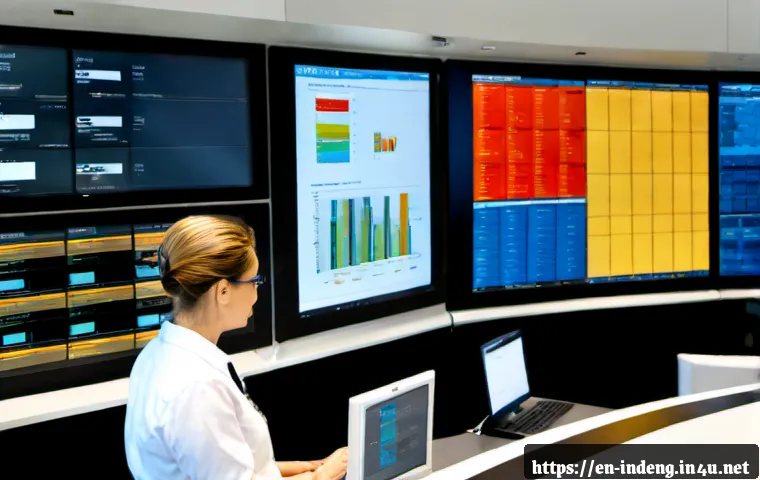
If there’s one thing every industrial engineer lives and breathes, it’s data. But let’s be honest, getting meaningful, actionable insights from mountains of data used to feel like mining for diamonds with a spoon. You’d collect it, clean it, analyze it, and by the time you had an answer, the situation might have already changed. The cloud changes all of that. It provides the infrastructure to collect, process, and analyze colossal amounts of data in real-time. This isn’t just about faster reports; it’s about having a living, breathing dashboard of your entire operation that updates every second. I can tell you from personal experience, seeing your KPIs shift in real-time, understanding bottlenecks as they emerge, and being able to drill down into specifics almost instantly, is a game-changer for strategic decision-making. It’s not just about what happened yesterday or last week; it’s about what’s happening right now, allowing for proactive adjustments that can prevent minor issues from becoming major crises. This immediate feedback loop is invaluable.
Transforming Raw Data into Actionable Insights
The beauty of cloud-based analytics is its ability to take raw, often messy data from countless sources and transform it into clear, digestible, and most importantly, actionable insights. Previously, integrating data from various legacy systems was a huge headache, often requiring custom, brittle integrations. Cloud platforms offer robust integration capabilities, allowing data from IoT devices, ERP systems, customer feedback, and even external market trends to be consolidated. I’ve personally set up dashboards for clients that provided a holistic view of their entire value chain, from raw material procurement to customer delivery. Before, they were making decisions based on fragmented reports; now, they see the whole picture. For instance, one manufacturing client used cloud analytics to identify a recurring quality control issue stemming from a specific batch of raw materials from a particular supplier, something that manual checks had missed for months. This immediate insight allowed them to address the root cause, saving them significant costs in rework and customer returns. It’s about turning data noise into clear signals.
Empowering Smarter Decision-Making, Instantly
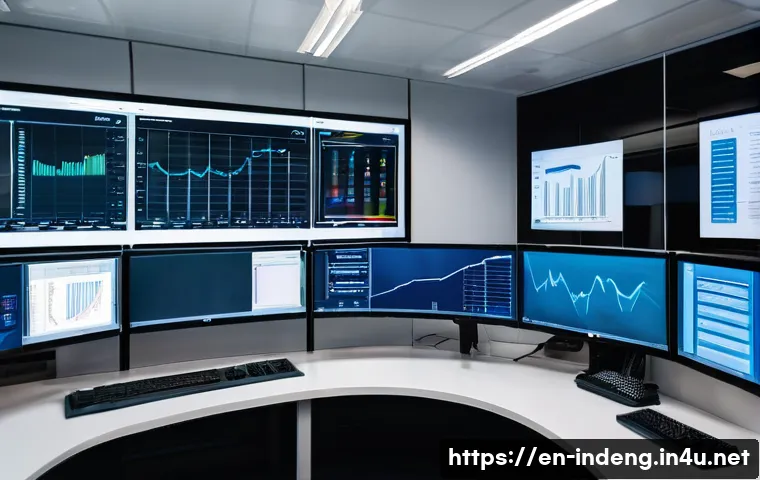
Being able to make smarter decisions, and make them *now*, is perhaps the greatest gift cloud analytics offers. When you have real-time visibility into your operations, you can spot trends, identify inefficiencies, and capitalize on opportunities faster than ever before. I’ve often found myself in meetings where a quick glance at a cloud-powered dashboard could resolve a debate or validate an intuition with hard data, right there and then. Imagine being able to see inventory levels across all your warehouses in real-time, or monitoring production output against demand fluctuations minute by minute. This eliminates the guesswork and allows leaders to make data-driven choices with confidence. It’s empowering to see how this instant access to information can drastically shorten decision cycles and lead to more effective strategies. The agility gained is priceless in today’s fast-paced market.
| Aspect | Traditional Industrial Engineering | Cloud-Enabled Industrial Engineering |
|---|---|---|
| Data Collection & Analysis | Manual, disparate systems, batch processing, delayed insights | Automated, integrated platforms, real-time analytics, instant insights |
| Operational Visibility | Fragmented views, historical data focus, limited scope | Holistic dashboards, predictive insights, end-to-end visibility |
| Process Automation | Limited, often siloed, costly to scale | Extensive, integrated across systems, highly scalable, flexible |
| Decision Making | Reactive, intuition-based, slower response times | Proactive, data-driven, rapid response and optimization |
| Infrastructure Cost | High upfront investment, maintenance burden | OpEx model, pay-as-you-go, reduced IT overhead |
Forging Resilient and Agile Supply Chains
If the last few years have taught us anything, it’s that supply chains need to be more than just efficient; they need to be incredibly resilient and agile. Disruptions, whether from natural disasters, geopolitical shifts, or unexpected demand spikes, are now just part of doing business. As someone who has spent years grappling with supply chain complexities, I can tell you that cloud computing has been the secret sauce for building supply chains that can bend without breaking. The ability to connect all stakeholders – suppliers, manufacturers, distributors, retailers – on a single, shared platform provides a level of transparency and collaborative power that was once unthinkable. This shared visibility allows for much faster responses to unforeseen events, better inventory management, and ultimately, a more stable flow of goods. It’s about moving away from reactive firefighting to proactive, synchronized adaptation. The difference in stress levels alone for supply chain managers is palpable!
Navigating Disruptions with Cloud-Enabled Visibility
Cloud-enabled visibility is truly a superpower when it comes to navigating disruptions. Imagine a critical component supplier in a distant part of the world suddenly facing a production halt. In a traditional setup, you might only find out days or even weeks later, causing a ripple effect throughout your entire production schedule. With cloud-based supply chain platforms, you can receive immediate alerts, often directly from the supplier’s system. This real-time insight allows you to instantly assess the impact, identify alternative suppliers, or adjust your production schedule proactively. I’ve worked with companies that, thanks to this cloud-powered transparency, were able to pivot their sourcing strategies within hours of a disruption, effectively minimizing financial losses and maintaining customer commitments. This isn’t just about having data; it’s about having the right data, at the right time, to make critical decisions that safeguard your entire operation. It offers peace of mind that was previously unimaginable.
Optimizing Logistics: Less Guesswork, More Precision
Logistics, the intricate dance of moving goods from point A to point B, has always been ripe for optimization. But traditionally, it was plagued by blind spots and inefficiencies. Cloud computing, combined with IoT, has transformed this. We can now track shipments in real-time, monitor environmental conditions like temperature for sensitive goods, and dynamically reroute vehicles based on traffic or weather. I recently consulted for a cold chain logistics company that implemented a cloud solution for their fleet. They integrated GPS tracking, temperature sensors, and predictive route optimization. Not only did they reduce fuel consumption by 15% through more efficient routing, but they also drastically cut down on spoilage by identifying and rectifying temperature excursions during transit. This level of precision in logistics means less wasted product, happier customers, and a healthier bottom line. It’s a tangible demonstration of how cloud technology takes the guesswork out of complex operations.
Revolutionizing Manufacturing with Digital Twins and IoT
When I first started hearing about “digital twins,” I’ll admit, it sounded a bit like science fiction. But having now seen them in action, integrated with the Internet of Things (IoT) on cloud platforms, I can tell you it’s the real deal and it’s revolutionizing manufacturing. The idea of creating a virtual replica of a physical asset, process, or even an entire factory, and then connecting it to real-time data from its physical counterpart, is nothing short of brilliant. This isn’t just a fancy simulation; it’s a dynamic, living model that helps you understand, predict, and optimize performance like never before. It feels like having a crystal ball for your operations, allowing you to test scenarios, anticipate issues, and fine-tune processes in a risk-free virtual environment before implementing them in the physical world. For an industrial engineer, this capability is truly a dream come true, offering insights that were simply unreachable in the past. It’s pushing the boundaries of what we thought was possible in production.
Building Virtual Replicas for Real-World Gains
The power of digital twins, hosted in the cloud, lies in their ability to provide an incredibly detailed, dynamic representation of real-world assets. For instance, imagine a complex piece of machinery on a factory floor. A digital twin of that machine would receive real-time data from its physical sensors – temperature, vibration, pressure, energy consumption – and mirror its exact state in the cloud. I’ve seen manufacturers use these digital twins to run virtual “what-if” scenarios, testing out new operational parameters or potential upgrades without disrupting actual production. One automotive client used a digital twin of their paint shop to optimize robot paths and spray patterns, leading to a significant reduction in paint waste and a higher quality finish, all before touching a single robot on the factory floor. This ability to experiment and optimize virtually translates directly into massive real-world gains, saving both time and money. It’s like having a sandbox where every experiment yields perfect, actionable data.
The Internet of Things: Connecting Every Cog in the Machine
Digital twins wouldn’t be half as effective without the foundational support of the Internet of Things, all orchestrated through the cloud. IoT devices are the eyes and ears of your physical world, continuously feeding data to your cloud-based digital twins and analytics platforms. From temperature sensors in warehouses to vibration sensors on assembly robots, every piece of equipment can now communicate its status. I’ve personally helped set up IoT networks in factories where machines that were previously isolated “black boxes” suddenly became vocal contributors to the overall operational intelligence. This connectivity allows for unprecedented monitoring and control. For example, by connecting IoT sensors on a specific production line to a cloud platform, one client was able to detect subtle anomalies in machine behavior that indicated potential component wear, allowing them to schedule preventative maintenance at the optimal time. This kind of interconnectedness transforms a factory from a collection of isolated machines into a single, intelligent, responsive organism.
Securing Your Enterprise: Cloud’s Robust Shield
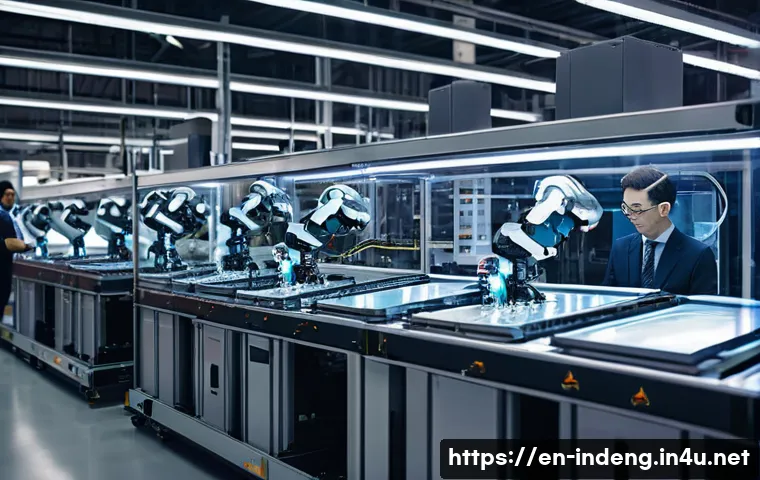
When we talk about moving critical industrial data and processes to the cloud, the elephant in the room is always security. I get it; entrusting your sensitive operational information to an external provider can feel daunting. However, in my years of experience, I’ve found that leading cloud providers actually offer a level of security that many individual enterprises would struggle to achieve on their own. They invest billions in state-of-the-art security infrastructure, hire top-tier cybersecurity experts, and continuously update their defenses against emerging threats. It’s not just about protecting data; it’s about ensuring business continuity and maintaining the integrity of your operations. The cloud isn’t just a place to store things; it’s a fortress built with multiple layers of protection, from physical data center security to sophisticated encryption and access controls. I’ve personally helped companies transition their on-premise systems, which often had glaring vulnerabilities, to much more secure cloud environments, and the peace of mind that comes with that upgrade is immense for stakeholders.
Fortifying Data Integrity and Business Continuity
One of the primary concerns for any industrial operation is maintaining data integrity and ensuring business continuity. A data breach or system downtime can lead to catastrophic losses, both financially and in terms of reputation. Cloud platforms address this head-on. They employ robust encryption protocols for data at rest and in transit, multi-factor authentication, and sophisticated identity and access management systems to ensure that only authorized personnel can access sensitive information. Furthermore, leading cloud providers offer extensive disaster recovery and backup solutions. I’ve seen instances where local server failures would have completely crippled a company for days, but because their critical data and applications were mirrored across geographically dispersed cloud data centers, they experienced virtually no downtime. This inherent redundancy and resilience built into cloud architecture provide a level of data protection and continuity that is simply unmatched by most on-premise setups. It’s an insurance policy you can actually trust.
Compliance and Governance in the Cloud Era
Navigating the complex landscape of regulatory compliance and data governance is another area where the cloud truly shines. Industrial sectors often face stringent regulations regarding data privacy, operational standards, and intellectual property. Cloud providers are acutely aware of these requirements and build their services to comply with a vast array of global and industry-specific certifications, such as ISO 27001, HIPAA, GDPR, and many more. This means that when you migrate your operations to a compliant cloud environment, you inherit a significant portion of that compliance burden, making it easier for your own organization to meet its regulatory obligations. I’ve found that this centralized compliance management simplifies audits and reduces the legal overhead for companies. It’s a huge relief for legal and compliance teams to know that the infrastructure itself is already adhering to the highest standards, allowing them to focus on the specific nuances of their business processes rather than the underlying technology.
The Future of Collaboration and Scalability
Finally, let’s talk about something truly transformative: the future of work itself, especially within complex industrial settings. Collaboration used to be confined by geographical boundaries and slow, clunky file sharing. Scaling operations meant massive capital expenditures and lengthy procurement processes. Cloud computing has shattered these limitations, opening up unprecedented opportunities for global collaboration and dynamic scalability. As an industrial engineer, I’ve always championed teamwork and efficiency, and the cloud provides the ultimate platform for both. It allows teams scattered across continents to work on the same models, analyze the same real-time data, and make collective decisions as if they were in the same room. And when it comes to growth, the cloud offers an elasticity that on-premise infrastructure simply cannot match. This isn’t just about technical capabilities; it’s about fundamentally changing how businesses grow and how people work together to innovate. It’s incredibly exciting to witness this shift firsthand.
Breaking Down Silos: Global Teams, Unified Platforms
The days of information silos, where one department or geographical office had critical data inaccessible to others, are rapidly becoming a relic of the past, thanks to cloud platforms. With everyone operating on a unified cloud environment, access to shared resources, documents, and real-time operational data becomes seamless. I’ve been involved in projects where engineering teams in Europe collaborated daily with manufacturing teams in Asia, optimizing production lines in real-time through shared digital twin models and communication tools hosted in the cloud. This level of integrated collaboration means faster problem-solving, quicker innovation cycles, and a much more cohesive organizational culture. It feels less like a hierarchical structure and more like a fluid, interconnected network of experts. This isn’t just about making communication easier; it’s about enabling collective intelligence to tackle the most challenging industrial problems efficiently. The feeling of truly working as one global team is profoundly impactful.
Scaling On-Demand: Growth Without Limits
For any ambitious business, growth is the ultimate goal. But historically, scaling up operations meant significant upfront investment in hardware, software licenses, and IT infrastructure – a slow, expensive, and often risky endeavor. The cloud completely flips this script. Its inherent elasticity means you can scale your computing resources up or down almost instantly, precisely matching your current needs. Need to launch a new product line and anticipate a surge in demand for your manufacturing execution system? Spin up more cloud instances in minutes, not months. Seeing this in action is truly liberating. I’ve worked with companies that leveraged cloud scalability to rapidly expand into new markets, test innovative production techniques, or handle seasonal spikes in demand without missing a beat. This pay-as-you-go model transforms capital expenditure (CapEx) into operational expenditure (OpEx), freeing up capital for innovation. It’s truly growth without the traditional growing pains, making the future feel limitless for businesses ready to embrace it.
Wrapping Things Up
Well, we’ve covered quite a journey today, haven’t we? From supercharging efficiency with automation to fortifying our supply chains against unforeseen disruptions, and even peering into the future with digital twins, it’s clear that cloud computing isn’t just another buzzword for industrial engineers; it’s a fundamental shift. I’ve personally seen the profound impact it has on businesses, big and small, transforming challenges into incredible opportunities. It’s about building a smarter, more agile, and ultimately more human-centric operational world. The possibilities really are endless, and honestly, it’s an incredibly exciting time to be an industrial engineer at the forefront of this technological revolution.
Helpful Tips You Won’t Want to Miss
1. Start Small, Think Big: Don’t feel pressured to migrate everything to the cloud at once. Pick a manageable project, perhaps a non-critical workflow or a data analytics initiative, to gain experience and build confidence. Learning by doing is truly the best approach, and you’ll find that success in one area builds momentum for others. It’s like dipping your toes in the water before diving in headfirst.
2. Focus on Data Quality First: Cloud analytics is only as good as the data it crunches. Before you even think about fancy dashboards, ensure your data collection methods are robust and that your data is clean, consistent, and reliable. Garbage in, garbage out, as they say! I’ve seen projects falter not because of the cloud, but because the foundational data was shaky.
3. Prioritize Security from Day One: While cloud providers offer incredible security, it’s still a shared responsibility. Educate your team on best practices, implement strong access controls, and regularly review your cloud security configurations. Think of it like moving into a high-tech smart home; the security system is amazing, but you still need to lock the doors!
4. Embrace a Culture of Continuous Learning: Cloud technology evolves at a breathtaking pace. Encourage your team to stay updated with new services, features, and best practices. There are tons of online courses, certifications, and community forums that can help. This isn’t a one-time project; it’s an ongoing journey of improvement and adaptation.
5. Partner with the Right Experts: You don’t have to navigate this transformation alone. Consider working with cloud consultants or system integrators who have deep experience in your industry. Their insights can save you time, money, and a whole lot of headaches, helping you avoid common pitfalls and accelerate your journey to operational excellence. It’s often the smartest investment you can make.
Key Takeaways
At the heart of it, what we’ve seen today is that cloud computing is reshaping industrial engineering from the ground up, moving us from reactive problem-solving to proactive optimization. It’s about harnessing the power of real-time data to make smarter decisions faster, and leveraging automation to free up human talent for truly innovative work. The flexibility to scale resources on demand, whether you’re a burgeoning startup or a global powerhouse, fundamentally changes how businesses can grow and adapt in an ever-fluctuating market. Moreover, the enhanced security frameworks offered by major cloud providers often surpass what individual enterprises can manage, giving you peace of mind as you digitize your most critical operations. Ultimately, it’s about creating resilient, agile, and intelligently connected systems that not only withstand the challenges of today but are also perfectly poised to thrive in the complex industrial landscape of tomorrow.
Frequently Asked Questions (FAQ) 📖
Q: How exactly does cloud computing empower industrial engineers to achieve better results in the real world?
A: You know, when I first started seeing cloud computing pop up in our industrial circles, my initial thought was, ‘Is this just another tech fad, or does it actually change how we do things?’ And let me tell you, it’s a game-changer.
For us industrial engineers, it’s all about optimizing, right? And what do we need for that? Data!
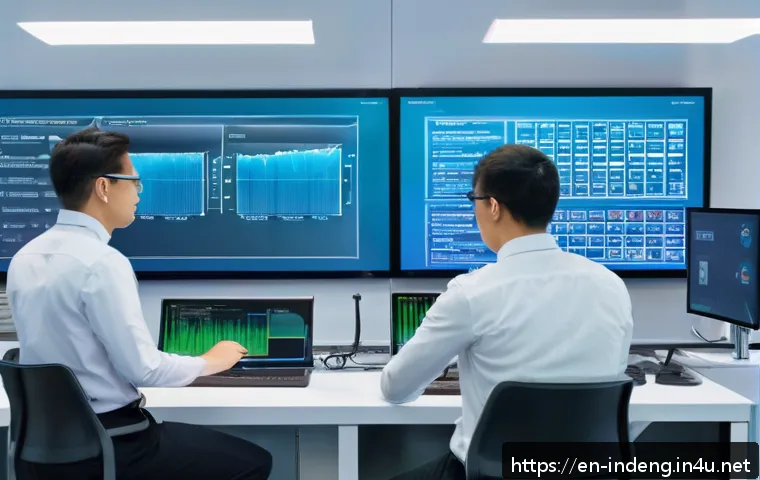
Cloud computing isn’t just giving us data; it’s giving us real-time, actionable insights from every corner of an operation. Imagine being able to pull production metrics, supply chain logistics, and customer feedback from different continents, all into one dashboard, and making decisions instantly.
I’ve personally seen teams slash downtime by predicting equipment failures with cloud-powered analytics, something that used to take days of manual data crunching.
Plus, the collaborative aspect is huge. We can have engineers in different time zones working on the same digital twin model simultaneously, iterating and improving at lightning speed.
It’s truly like having an infinitely scalable, always-on supercomputer at your fingertips, but without the massive upfront cost or IT headache.
Q: Can you give us some tangible, real-world examples of how industrial engineering is benefiting from cloud computing right now?
A: Oh, this is where it gets really exciting! I mean, who doesn’t love seeing theory turn into tangible results? One of the most impactful applications I’ve personally encountered is in predictive maintenance.
Instead of waiting for a machine to break down (which, let’s be honest, costs a fortune in downtime and lost production), cloud-connected sensors on equipment constantly feed data into sophisticated AI models running in the cloud.
These models learn normal operating patterns and can flag tiny anomalies that indicate a potential failure before it happens. I saw a factory reduce unplanned outages by over 30% using this approach – it was incredible!
Another area is supply chain optimization. Think about tracking goods from raw materials to the customer’s doorstep across multiple continents. Cloud platforms allow for real-time visibility, helping us identify bottlenecks, optimize routes, and even react to unforeseen disruptions like a port closure or sudden demand surge almost instantly.
And then there are digital twins – virtual replicas of physical assets or processes. We can simulate ‘what-if’ scenarios in the cloud, test new layouts, or optimize workflows without ever touching the actual production line.
It’s like having a crystal ball for your operations, and it’s genuinely revolutionary.
Q: Is this powerful combination of industrial engineering and cloud computing only for large corporations, or can smaller businesses leverage it too?
A: That’s such a fantastic question, and one I get a lot! It’s easy to look at these advanced technologies and think, ‘Well, that’s only for the behemoths with endless budgets.’ But here’s the beautiful truth about cloud computing: it’s incredibly democratizing.
What used to require massive on-premise servers, specialized IT teams, and huge capital expenditures, can now be accessed on a pay-as-you-go model through cloud providers.
This means a small manufacturing plant, a mid-sized logistics company, or even a startup building innovative IoT devices can leverage the same cutting-edge analytics, storage, and processing power that a Fortune 500 company uses.
I’ve seen smaller businesses use cloud-based platforms to optimize their inventory, manage their customer relationships, and even run complex simulations that would have been impossible for them just a few years ago.
It essentially levels the playing field, allowing businesses of all sizes to innovate faster, be more agile, and compete effectively. It’s not just about spending less; it’s about smart spending that delivers huge returns, no matter your scale.