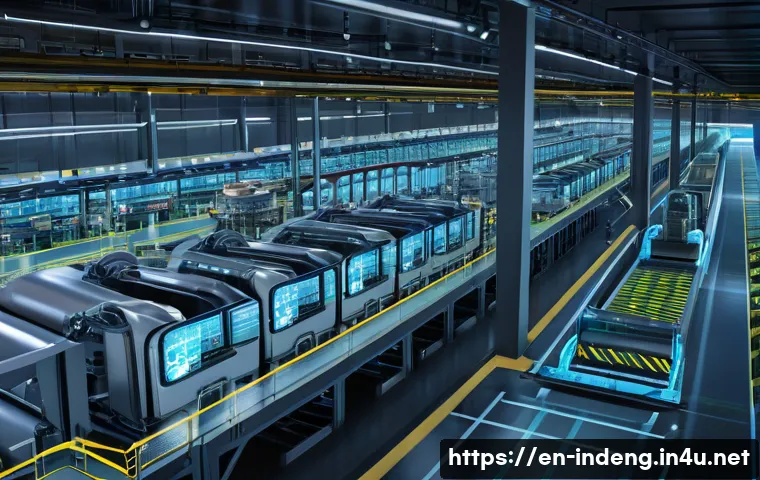
In today’s fast-evolving industrial landscape, the role of industrial engineering in shaping the future of factory operations is more critical than ever.
Advanced technologies like AI, IoT, and automation are revolutionizing how factories run, boosting efficiency and reducing waste. From smart supply chains to predictive maintenance, the integration of these innovations is transforming traditional manufacturing into highly agile and data-driven systems.
Having witnessed firsthand how these changes improve productivity and decision-making, I’m excited to explore what’s next for industrial engineering in factory management.
Let’s dive deeper and uncover the exciting possibilities ahead!
Harnessing Data-Driven Insights for Operational Excellence
Turning Big Data into Actionable Factory Intelligence
Factories today generate an immense amount of data, from sensor readings to production logs. The challenge lies in transforming this raw data into meaningful insights that drive smarter decisions.
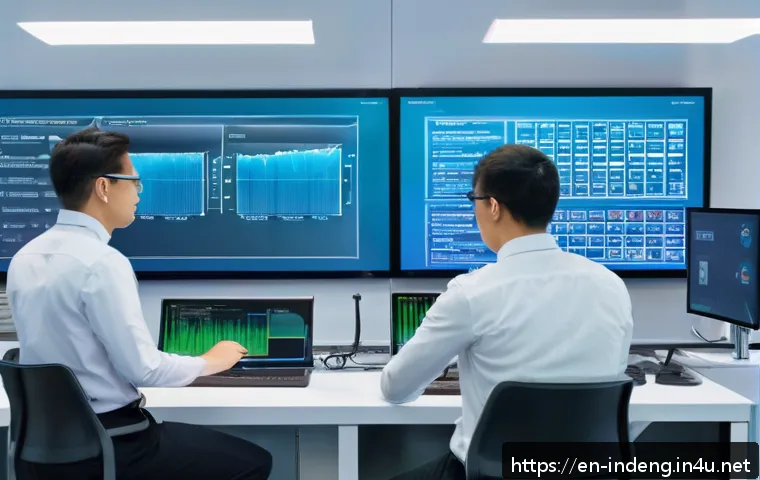
By leveraging advanced analytics platforms and machine learning algorithms, plants can uncover hidden patterns and anomalies that were once impossible to detect.
For example, by analyzing temperature fluctuations and vibration signals from equipment, predictive models can forecast failures before they occur, preventing costly downtime.
In my experience working alongside engineers, these insights not only improve maintenance scheduling but also optimize production flow, leading to higher throughput and reduced waste.
Visualizing Performance with Real-Time Dashboards
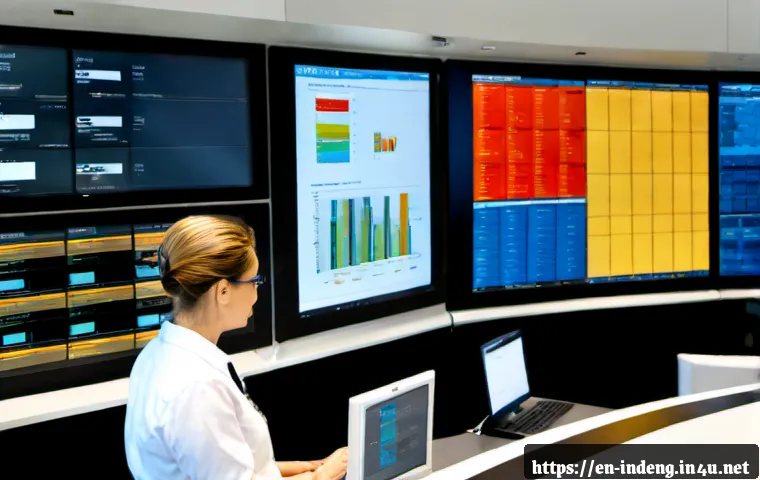
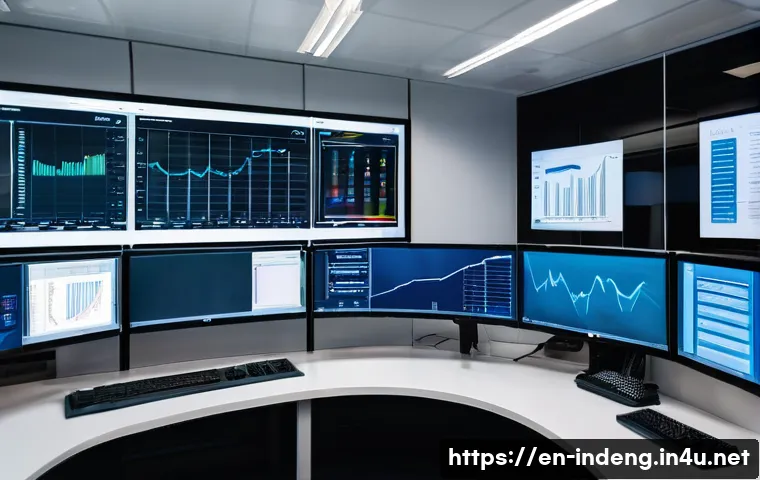
Real-time visibility into operations is no longer a luxury but a necessity. Interactive dashboards that consolidate key performance indicators (KPIs) allow managers and floor supervisors to monitor processes at a glance.
This immediacy empowers rapid responses to bottlenecks or quality issues, minimizing disruptions. I’ve seen firsthand how teams using these dashboards can pivot quickly during unexpected shifts in demand or supply chain hiccups.
The clarity provided by visual data encourages collaboration across departments, fostering a culture of continuous improvement.
Data Governance and Security in Manufacturing Environments
With increased data reliance comes the critical need for robust governance frameworks. Ensuring data accuracy, consistency, and security is paramount to maintaining trust in automated systems.
Factories must implement strict protocols for data access and encryption, especially as IoT devices multiply. My observation is that organizations investing early in cybersecurity measures not only protect intellectual property but also comply better with industry regulations.
This proactive stance builds confidence among stakeholders and supports scalable digital transformation.
Integrating Smart Automation for Agile Production
Collaborative Robots Enhancing Human Productivity
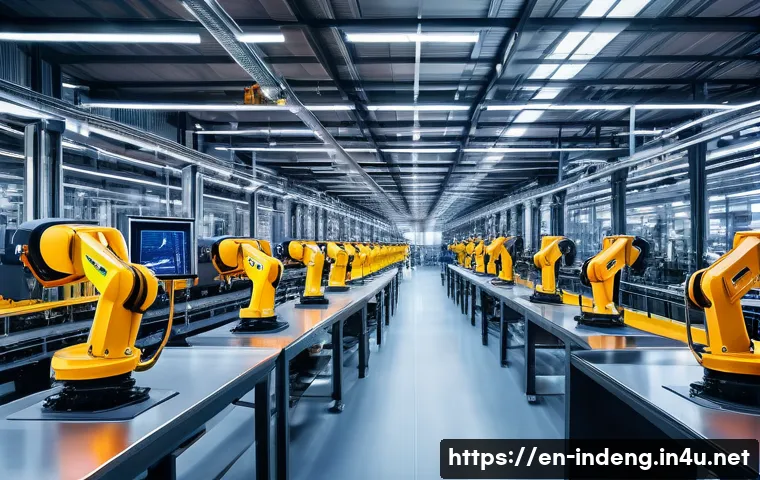
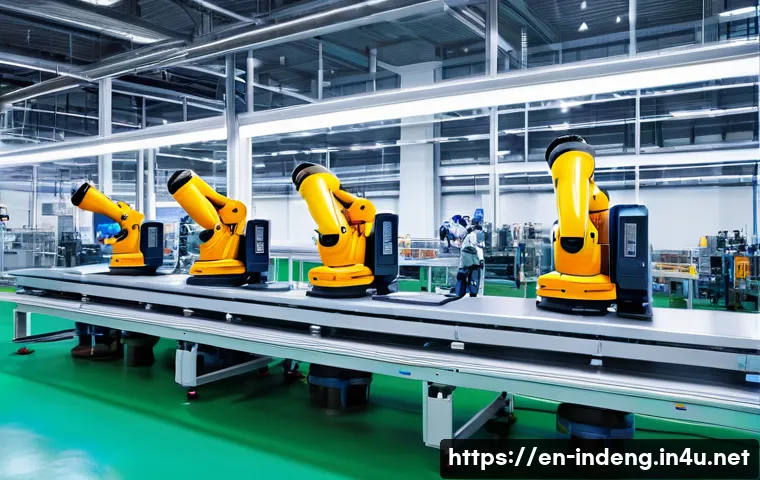
Cobots, or collaborative robots, have become game-changers on the shop floor. Unlike traditional industrial robots that require isolation, cobots work side-by-side with human operators, assisting with repetitive or ergonomically challenging tasks.
From packaging to assembly, these robots relieve workers from fatigue-inducing activities while maintaining high precision. I recall visiting a facility where cobots increased output by nearly 20% within months, allowing skilled employees to focus on quality control and problem-solving.
This synergy between humans and machines is redefining job roles in manufacturing.
Flexible Automation Systems for Customization
The shift toward mass customization demands production lines that can quickly adapt to different product variants. Flexible automation solutions, including modular equipment and programmable logic controllers (PLCs), enable this agility.
My experience shows that factories employing such systems drastically reduce changeover times, sometimes from hours down to minutes. This responsiveness not only meets customer expectations but also minimizes inventory costs by producing closer to real demand.
Challenges in Automation Adoption and Workforce Transition
Despite the clear benefits, integrating automation presents hurdles such as upfront investment, workforce training, and cultural change. Resistance from employees fearing job loss can slow implementation.
However, companies that prioritize transparent communication and upskilling programs tend to see smoother transitions. I’ve witnessed that empowering workers with new technical skills fosters engagement and innovation, turning potential challenges into competitive advantages.
Optimizing Supply Chains through Connectivity
IoT-Enabled Inventory Management
Inventory accuracy is crucial for efficient factory operations. IoT devices equipped with RFID tags and sensors provide real-time tracking of raw materials and finished goods.
This connectivity reduces stockouts and overstock situations by triggering automatic replenishment orders. From personal experience, the ability to monitor inventory remotely has saved countless hours previously spent on manual audits, allowing supply chain managers to focus on strategic planning.
Predictive Analytics for Demand Forecasting
Accurate demand forecasting is essential to align production schedules and procurement. By analyzing historical sales data combined with external factors such as market trends and seasonality, predictive analytics tools generate more reliable forecasts.
In practice, companies using these models report fewer emergency orders and better resource allocation. This not only improves customer satisfaction but also lowers operational costs by avoiding excess production.
Building Resilience with Digital Twin Simulations
Digital twins create virtual replicas of supply chains to simulate disruptions and test contingency plans. This proactive approach helps identify vulnerabilities before they impact actual operations.
I’ve seen how manufacturers use digital twins to evaluate supplier risks or transportation delays, enabling rapid scenario-based decision-making. Such foresight is invaluable in today’s volatile global environment where agility can make or break competitiveness.
Advancing Sustainability through Industrial Innovation
Energy Efficiency via Smart Monitoring
Reducing energy consumption is both an environmental and economic priority. Smart meters and IoT-enabled energy management systems provide granular visibility into power usage across factory zones.
This data highlights inefficiencies like idle machinery or suboptimal lighting schedules. In one project I was involved with, implementing these insights cut energy bills by nearly 15%, demonstrating that sustainability and cost savings go hand in hand.
Waste Reduction through Lean and Digital Practices
Lean manufacturing principles combined with digital tools minimize waste by streamlining workflows and improving quality control. For instance, automated defect detection using computer vision reduces scrap rates significantly.
From my interactions with industry leaders, those adopting integrated lean-digital approaches report faster turnaround times and higher customer satisfaction, creating a virtuous cycle of continuous improvement.
Eco-Friendly Materials and Circular Economy Initiatives
Sustainability also extends to material sourcing and end-of-life management. Factories are increasingly using recyclable or biodegradable materials and designing products for easier disassembly and reuse.
I’ve observed a growing trend of manufacturers collaborating with suppliers and customers to establish circular supply chains, which not only reduce environmental impact but also open new revenue streams.
Empowering Workforce through Digital Skills and Collaboration
Upskilling for the Digital Factory Era
As factories become more automated and data-driven, the demand for digitally savvy workers grows. Training programs focused on robotics operation, data analytics, and cybersecurity are essential to keep pace with technological advancements.
I personally know professionals who transitioned from traditional roles into highly sought-after digital experts thanks to continuous learning initiatives, highlighting the transformative power of education.
Fostering Cross-Functional Teamwork with Collaborative Platforms
Digital collaboration tools break down silos by enabling real-time communication and document sharing across departments. This connectivity accelerates problem-solving and innovation.
In my experience, teams using such platforms report higher engagement and quicker project completions, as everyone stays aligned and informed regardless of location.
Addressing Human Factors in Tech Adoption
Even the most advanced technologies require user acceptance to succeed. Understanding human factors such as usability, trust, and workload is critical when introducing new systems.
Companies that involve end-users early in the design and implementation phases tend to achieve higher adoption rates and smoother integration. I’ve seen firsthand how incorporating employee feedback reduces frustration and drives ownership of digital tools.
Comparing Key Technologies Transforming Factory Operations
| Technology | Main Benefit | Typical Application | Implementation Challenge |
|---|---|---|---|
| Artificial Intelligence (AI) | Predictive analytics, process optimization | Predictive maintenance, quality control | Data quality and algorithm transparency |
| Internet of Things (IoT) | Real-time monitoring, asset tracking | Inventory management, energy monitoring | Security and network reliability |
| Automation & Robotics | Increased productivity, consistency | Assembly, packaging, material handling | Workforce adaptation and cost |
| Digital Twins | Simulation and risk assessment | Supply chain resilience, process optimization | High initial setup complexity |
| Collaborative Platforms | Enhanced communication and teamwork | Project management, cross-functional collaboration | User adoption and integration |
Conclusion
Embracing data-driven strategies and smart automation is reshaping the future of manufacturing. From improving operational efficiency to enhancing workforce capabilities, these innovations unlock new levels of productivity and sustainability. The key to success lies in integrating technology thoughtfully while supporting employees through change. Ultimately, a balanced approach leads to resilient, agile, and forward-looking factory operations.
Useful Information to Know
1. Predictive maintenance powered by AI can significantly reduce unexpected downtime and maintenance costs.
2. Real-time dashboards improve decision-making by providing instant visibility into key performance metrics.
3. Cybersecurity and data governance are critical to protecting sensitive manufacturing data and ensuring compliance.
4. Collaborative robots enhance productivity by assisting workers with repetitive or physically demanding tasks.
5. Digital twin simulations help manufacturers anticipate risks and optimize supply chains before disruptions occur.
Key Takeaways
Integrating advanced technologies in manufacturing requires a strategic balance of innovation and human-centric practices. Prioritizing data accuracy, cybersecurity, and employee engagement ensures smoother adoption and maximizes operational benefits. Flexibility and continuous upskilling empower factories to meet evolving market demands while fostering a culture of collaboration and sustainability. By focusing on these core elements, manufacturers can achieve lasting competitive advantage in an increasingly digital landscape.
Frequently Asked Questions (FAQ) 📖
Q: How does industrial engineering leverage
A: I and IoT to improve factory operations? A1: Industrial engineering uses AI and IoT to gather and analyze real-time data from machines, supply chains, and production lines.
This allows for smarter decision-making, such as predicting equipment failures before they happen and optimizing resource allocation. From my experience, integrating these technologies leads to significant reductions in downtime and waste, while boosting overall productivity by making the factory more responsive and efficient.
Q: What are the benefits of predictive maintenance in manufacturing?
A: Predictive maintenance helps factories avoid costly unexpected breakdowns by using sensor data and AI algorithms to forecast when machines need servicing.
In practice, this means maintenance is performed only when necessary, saving time and money. I’ve seen factories transform their maintenance schedules from reactive to proactive, which not only extends equipment life but also improves worker safety and production continuity.
Q: How is the supply chain evolving with the help of industrial engineering innovations?
A: Modern supply chains are becoming smarter and more agile thanks to industrial engineering advancements like IoT tracking and AI-driven demand forecasting.
This results in better inventory management, faster response to market changes, and minimized delays. Personally, I’ve noticed that companies adopting these technologies can quickly adapt to disruptions and reduce excess inventory, which directly improves their bottom line and customer satisfaction.