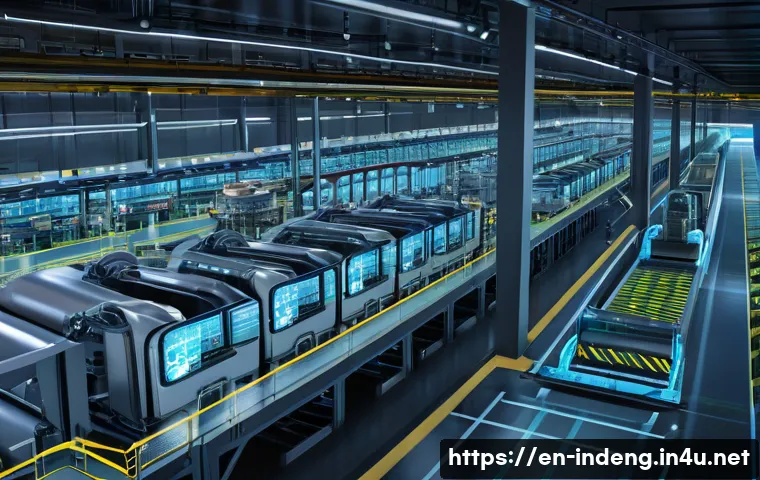
Alright, my fellow efficiency enthusiasts! As your go-to blog influencer for all things savvy and smart, I’ve seen firsthand how crucial it is for industries to get a grip on their energy consumption.
We’re living in a world where energy costs seem to climb higher every day, and let’s be real, nobody wants to pay more than they have to. Beyond the financial pinch, there’s a huge collective push towards a greener planet, and that means every factory, plant, and production line needs to pull its weight.
This isn’t just about switching off lights; it’s about a complete paradigm shift, especially with incredible advancements in industrial engineering and technologies like AI coming into play.
I’ve been diving deep into how businesses are not just saving a pretty penny but also significantly reducing their environmental footprint, all thanks to some seriously clever optimization strategies.
It’s truly fascinating how a field like industrial engineering, which you might traditionally think of as just process improvement, is becoming a superstar in the quest for sustainable and cost-effective energy solutions.
The future of energy isn’t just about where it comes from, but how intelligently we use every single watt. Let’s accurately unravel the ins and outs of industrial energy efficiency together!Alright, my fellow efficiency enthusiasts!
As your go-to blog influencer for all things savvy and smart, I’ve seen firsthand how crucial it is for industries to get a grip on their energy consumption.
We’re living in a world where energy costs seem to climb higher every day, and let’s be real, nobody wants to pay more than they have to. Beyond the financial pinch, there’s a huge collective push towards a greener planet, and that means every factory, plant, and production line needs to pull its weight.
This isn’t just about switching off lights; it’s about a complete paradigm shift, especially with incredible advancements in industrial engineering and technologies like AI coming into play.
I’ve been diving deep into how businesses are not just saving a pretty penny but also significantly reducing their environmental footprint, all thanks to some seriously clever optimization strategies.
It’s truly fascinating how a field like industrial engineering, which you might traditionally think of as just process improvement, is becoming a superstar in the quest for sustainable and cost-effective energy solutions.
The future of energy isn’t just about where it comes from, but how intelligently we use every single watt. I’ve been tracking how the integration of smart technologies like IoT and AI is transforming real-time energy monitoring and management, allowing companies to pinpoint inefficiencies and act fast.
It’s a game-changer for everything from predicting maintenance needs to streamlining complex supply chains, which directly translates into huge energy savings and less waste.
The push for carbon neutrality and sustainable practices isn’t just a buzzword; it’s becoming a core business strategy, with many companies investing heavily in energy-efficient technologies to meet ambitious sustainability goals.
And trust me, the financial benefits are staggering – studies show the untapped potential for attractive improvements could cut industrial energy consumption by 15% to 32%.
Let’s accurately unravel the ins and outs of industrial energy efficiency together!
Unlocking the Power of Smart Energy Audits
Peeling Back the Layers: Why a Deep Dive is Key
Alright, let’s get real. Before you can even *think* about optimizing anything, you’ve got to know where you stand, right? It’s like trying to navigate a new city without a map – you’re just wandering around hoping for the best.
That’s exactly why I always tell folks that a comprehensive energy audit isn’t just a suggestion; it’s the absolute non-negotiable first step on your journey to industrial energy efficiency.
I’ve personally seen businesses overlook this, thinking they know their consumption patterns, only to be utterly shocked when a detailed audit uncovers hidden drains and inefficiencies they never even dreamed of.
These aren’t just about flicking off lights or unplugging a few idle machines, though those are good starts. We’re talking about a deep, systematic dive into every nook and cranny of your facility’s energy usage, identifying everything from sneaky air leaks in compressed air systems to outdated HVAC units that are silently bleeding your budget dry.
It’s about getting granular, understanding the true cost of every process, and laying down a solid baseline from which to measure all your future fantastic improvements.
Without this clear picture, any “efficiency” efforts are just shots in the dark, and who wants to waste precious time and resources on guesswork?
Beyond the Basics: What a Modern Audit Looks Like
Now, don’t picture some clipboard-wielding auditor just peeking at your utility bills. Oh no, that’s old school! Today’s energy audits are light-years ahead, leveraging incredible technology to give you insights you couldn’t have imagined a decade ago.
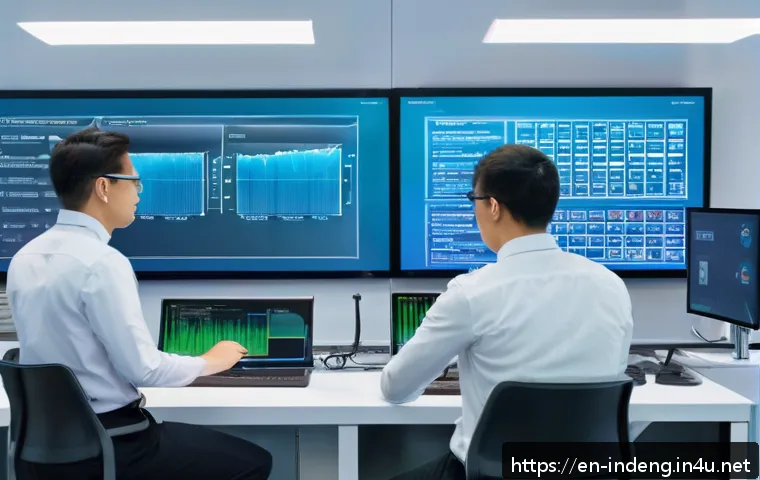
We’re talking about advanced diagnostics and real-time data collection through smart sensors that map out your energy flow, pinpointing inefficiencies with almost surgical precision.
Think about it: instead of a vague idea of where energy is going, you get a detailed breakdown of consumption by machine, by process, by shift. It’s like having an MRI for your entire operation!
This level of detail doesn’t just show you *where* you’re wasting energy, but often *why*, which is the golden ticket to effective solutions. I’ve spoken with countless facility managers who initially balked at the idea of a thorough audit, only to rave about it afterward because it provided the undeniable, data-driven evidence they needed to secure internal buy-in for major efficiency projects.
It truly sets the stage for tangible savings and a significantly reduced environmental footprint, transforming abstract goals into concrete action plans.
Embracing Intelligent Tech: AI and IoT as Your Energy Allies
The Real-Time Revolution: Monitoring Every Watt
Let’s talk about the absolute game-changers in industrial energy efficiency: Artificial Intelligence (AI) and the Internet of Things (IoT). When these two powerhouses team up, it’s nothing short of revolutionary, transforming how industries monitor and manage their energy consumption.
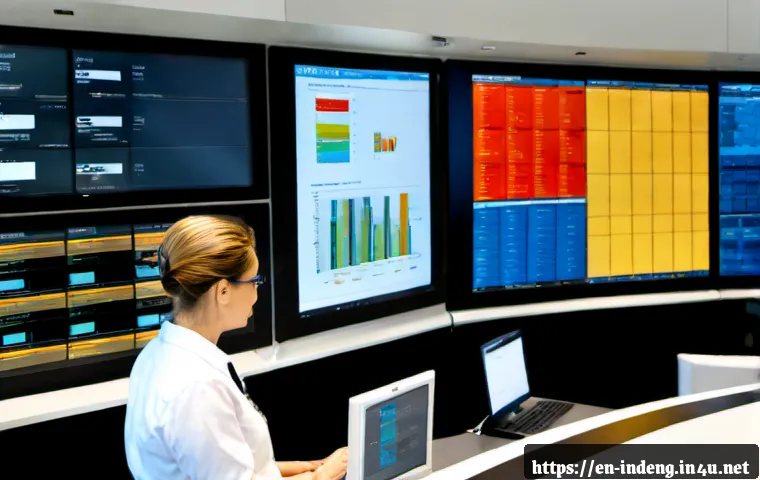
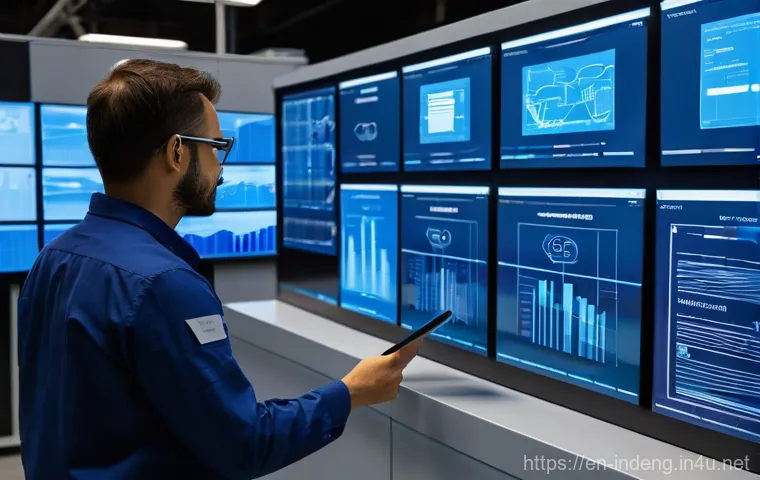
Imagine having an omnipresent eye across your entire factory floor, with IoT sensors constantly collecting real-time data on everything from machine performance to temperature and humidity levels.
This isn’t just some fancy tech; it’s about gaining unprecedented visibility. I’ve seen firsthand how this constant stream of information feeds into AI-powered energy management systems, allowing them to instantly detect anomalies, identify energy-intensive operations, and flag inefficiencies faster than any human ever could.
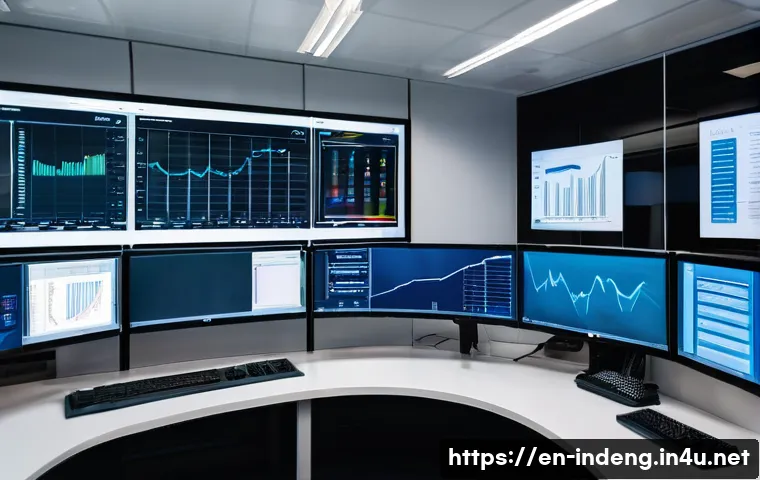
It’s like having a hyper-alert energy detective on duty 24/7, making sure not a single watt goes rogue. This granular, real-time insight means businesses can make informed, immediate decisions, adjusting processes on the fly to maximize efficiency and nip potential waste in the bud.
Truly, it’s a paradigm shift from reactive fixes to proactive, continuous optimization.
Predictive Power: Anticipating and Preventing Waste
But wait, there’s more! The magic of AI truly shines when it moves beyond just monitoring to *predicting*. By crunching vast amounts of historical data collected by IoT devices, machine learning algorithms can identify patterns and forecast future energy demand with incredible accuracy.
This predictive capability is a total game-changer for avoiding energy waste and optimizing operations. Think about predictive maintenance: instead of waiting for a machine to break down (which, let’s be honest, often leads to huge energy spikes and costly downtime), AI can predict when equipment is likely to fail, allowing for timely maintenance *before* it becomes a problem.
I recall a steel manufacturer I worked with who implemented predictive maintenance and not only cut their maintenance costs but also avoided significant production delays, directly translating into massive energy savings.
This isn’t just about saving a few bucks; it’s about streamlining complex supply chains, extending equipment life, and making operations smoother, more reliable, and significantly more energy-efficient.
It’s about being smart, not just busy, with your energy.
Revamping Your Operations for Peak Efficiency
Equipment Upgrades: A Smart Investment, Not Just an Expense
When we talk about industrial energy efficiency, sometimes the most straightforward path to huge savings is looking at your existing infrastructure. I mean, let’s be honest, some of those older machines have been chugging along for decades, doing their job, but at what cost to your energy bill?
I’ve heard from so many folks who were hesitant to invest in new equipment, fearing the upfront cost. But what they often forget is the long-term drain of inefficient machinery.
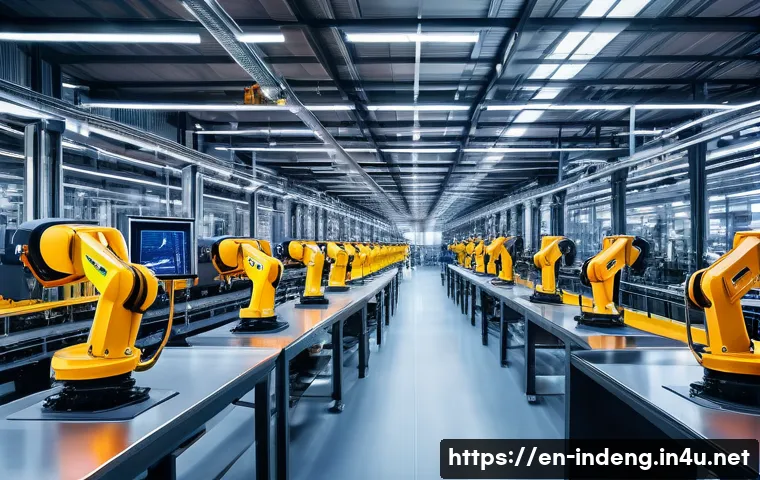
Upgrading to modern, energy-efficient equipment, whether it’s high-efficiency motors, variable frequency drives (VFDs), or even switching to LED lighting, isn’t just an expense; it’s an incredibly smart investment that pays dividends almost immediately.
LEDs, for example, can slash electricity consumption by up to 75% compared to traditional lighting, and they last a whole lot longer, too. It’s about moving from simply getting the job done to getting it done with significantly less power.
Plus, modern equipment often comes with advanced controls that optimize usage during downtime or low-demand periods, which is just brilliant for cutting waste you didn’t even know you had!
Process Optimization: Leaner, Greener, and More Productive
Beyond the machines themselves, how you *run* your operations makes a monumental difference. This is where industrial engineering principles truly shine.
It’s not just about energy; it’s about efficiency in every sense of the word. Implementing lean manufacturing principles, for instance, focuses on minimizing waste in all its forms, and that includes energy waste.
I’ve seen companies completely transform their energy footprint by simply redesigning production processes, eliminating unnecessary steps, or consolidating activities.
One of my favorite examples is optimizing compressed air systems. Did you know that even small leaks can lead to substantial energy losses? By implementing regular leak detection and repair programs, some facilities have reduced annual energy consumption by 20% just from that one change.
It’s these kinds of meticulous process tweaks – like optimizing cutting patterns to reduce scrap or synchronizing heating and cooling systems with production schedules – that not only save energy but also boost overall productivity and reduce material waste.
It’s a win-win situation for your bottom line and the planet!
The Green Shift: Integrating Renewable Energy and Storage
Beyond the Grid: Harnessing Nature’s Power On-Site
Okay, so we’ve talked about making your current operations lean and mean, but what about where your energy actually *comes from*? This is where the green shift really takes center stage, and honestly, it’s one of the most exciting trends I’m tracking for 2025 and beyond.
Integrating renewable energy sources directly into your industrial operations isn’t just about being environmentally conscious; it’s a savvy business move that offers energy independence and a hedge against those constantly fluctuating energy prices.
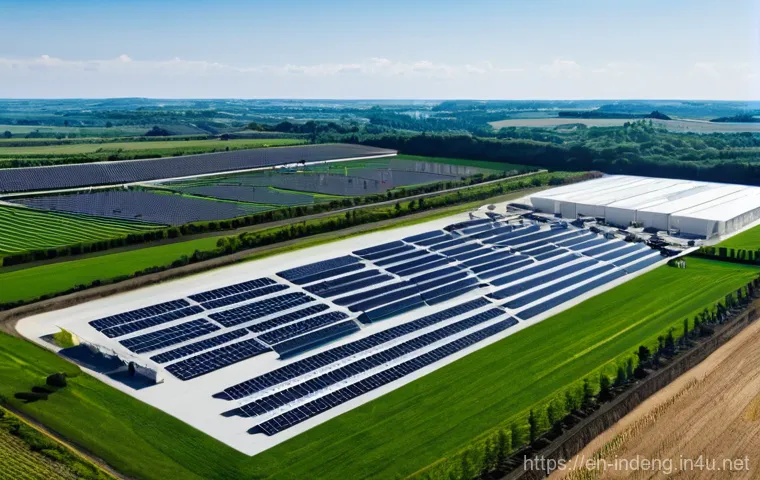
Picture this: rooftop solar panels converting sunlight into clean electricity for your factory, or on-site wind turbines generating power right where you need it.
I’ve chatted with a mid-sized furniture manufacturer in California who installed a massive solar array on their roof, and it wasn’t just about looking green; it drastically reduced their reliance on the grid and provided a stable, predictable energy cost.
This move towards self-generation isn’t just a dream anymore; it’s a financially attractive and operationally prudent choice that many industrial facilities are embracing to reduce their carbon footprint and ensure a reliable, clean energy supply.
Storing Up Success: The Role of Advanced Energy Storage
Now, the big question often comes up: what about when the sun isn’t shining or the wind isn’t blowing? That’s where advanced energy storage solutions come into play, and they are absolutely crucial for making renewable energy integration truly effective and reliable.
Technologies like lithium-ion batteries and even cutting-edge green hydrogen systems are solving the intermittency challenge of renewables. Think of it as having your own massive energy bank, storing up excess power generated during off-peak times or when renewables are abundant, and then deploying it precisely when demand peaks or when external supply is expensive.
This intelligent energy management, often optimized by AI, ensures a constant supply, minimizes energy costs, and can even allow factories to participate in smart grids by selling excess energy back when it’s most valuable.
It’s truly about creating a resilient, self-sufficient, and optimized energy ecosystem within your facility, driving both sustainability and incredible economic benefits.
Crushing Carbon Goals: Sustainability as a Business Imperative
From Buzzword to Bottom Line: Why Net-Zero Matters
Let’s be blunt: “sustainability” and “carbon neutrality” are far from just corporate buzzwords these days. They’ve evolved into core business strategies, driven by a powerful confluence of regulatory pressures, consumer expectations, and, frankly, the undeniable financial benefits.
Every industry, especially manufacturing, is under the microscope, and for good reason—the industrial sector contributes a significant chunk of global greenhouse gas emissions, sometimes nearly 30%.
Achieving net-zero isn’t just about good PR; it’s about long-term competitiveness and resilience. Companies that proactively invest in reducing their carbon footprint aren’t just doing their part for the planet; they’re future-proofing their operations, attracting top talent, and appealing to an increasingly eco-conscious consumer base.
I’ve seen this shift accelerate dramatically, with many industrial leaders recognizing that decarbonization is no longer optional but an imperative for survival and growth in a rapidly evolving global market.
It’s a fundamental rethinking of how we produce, how we operate, and ultimately, how we thrive.
Navigating Regulations: Staying Ahead of the Curve
Beyond the ethical considerations, there’s a practical reality: governments and international bodies are tightening the screws with stricter environmental laws and ambitious carbon reduction targets, like the Paris Agreement and ISO 14001 standards.
This means that staying ahead of the curve with your sustainability efforts isn’t just admirable; it’s essential for compliance and avoiding potentially hefty penalties or carbon taxes.
I’ve observed that companies that adopt smart energy management strategies not only meet these evolving requirements but often exceed them, positioning themselves as industry leaders.
This proactive approach translates into lower operating costs, improved brand reputation, and even increased property value. It’s about more than just dodging fines; it’s about strategically aligning your business with global efforts to combat climate change, ensuring operational resilience, and unlocking new financial opportunities that come with being a true sustainability champion.
The Financial Upside: Boosting Your Bottom Line with Energy Savings
More Than Just Savings: The Tangible and Intangible Benefits
When I talk about energy efficiency with industrial leaders, the first thing everyone wants to know is, naturally, “How much will this save me?” And trust me, the financial benefits are incredibly compelling.
We’re talking about direct reductions in your utility bills, which for many energy-intensive industries, can represent a huge chunk of operational expenditure – sometimes 5-15% of total costs.
But here’s the kicker, it’s not *just* about slashing those energy bills. My experience and pretty much every report out there show that for every dollar saved in energy costs, companies often save another dollar or more from other incredible benefits.
We’re talking about things like improved resource use, better product quality, faster production line speeds, and a significant reduction in unplanned downtime.
These ‘multiple benefits’ are often overlooked but can dramatically improve your overall profitability and operational excellence. It’s a holistic improvement that touches every part of your business, making it leaner, stronger, and more productive.
Incentives and ROI: Making the Investment Pay Off
Now, I know what some of you might be thinking: “The upfront investment for all this smart tech and new equipment sounds expensive!” And yes, there’s an investment, but the return on investment (ROI) is often surprisingly quick, with many projects seeing payback periods between 18 and 20 months.
What’s more, governments and utility companies often offer a fantastic array of incentives, grants, and tax breaks specifically designed to encourage businesses to adopt energy-efficient solutions.
These programs can significantly lower the financial barrier to entry, making those big projects much more accessible. I’ve seen companies receive substantial incentives that cover a significant portion of their investment costs, transforming a potentially daunting expenditure into a highly attractive financial proposition.
When you factor in the reduced operational costs, extended equipment lifespans, and the various incentives, investing in energy efficiency becomes a no-brainer.
It’s not just a cost-saving measure; it’s a strategic pathway to increased competitiveness, enhanced asset value, and long-term financial health.
| Efficiency Strategy | Key Technologies/Approaches | Primary Benefits for Industrial Operations |
|---|---|---|
| Smart Energy Audits | IoT Sensors, AI Analytics, Real-time Data Mapping | Pinpoints inefficiencies, establishes baseline, guides investment, reduces hidden waste |
| Predictive Maintenance | AI, Machine Learning, IoT Devices | Reduces unplanned downtime, extends equipment life, lowers maintenance costs, optimizes energy use |
| Process Optimization | Lean Manufacturing, Advanced Controls, VFDs | Streamlines operations, reduces waste (material & energy), increases productivity |
| Renewable Energy Integration | Solar Panels, Wind Turbines, Microgrids | Reduces reliance on grid, provides stable energy costs, lowers carbon footprint |
| Advanced Energy Storage | Lithium-ion Batteries, Green Hydrogen, Smart Grid Participation | Manages intermittency, optimizes peak demand, enables selling excess energy |
| Smart Lighting Systems | LEDs, Occupancy Sensors, Lighting Controls | Significant electricity savings (up to 75%), longer lifespan, reduced maintenance |
Wrapping Things Up
Whew! We’ve covered a lot of ground today, haven’t we? From those crucial initial energy audits to the cutting-edge integration of AI and IoT, and let’s not forget the financial and environmental wins that come with embracing renewables and smart operations. It’s clear that industrial energy efficiency isn’t just a fleeting trend; it’s a fundamental shift in how successful businesses operate. It’s about being smart, strategic, and forward-thinking, making choices today that will pay dividends for years to come, both for your bottom line and for our planet. I’ve seen firsthand how these changes can truly transform a business, and I’m genuinely excited for you to experience that too.
Useful Information to Know
1. Start Small, Think Big: Don’t feel overwhelmed by the sheer scope of industrial energy efficiency. My advice? Pick one or two “quick wins” – like upgrading to LED lighting or tackling compressed air leaks – projects that have a proven fast ROI. Once you see those initial savings and build momentum, it becomes so much easier to get buy-in for bigger, more transformative changes. This phased approach helps manage investment and demonstrates immediate value.
2. Engage Your Team: Seriously, this is a game-changer! Energy efficiency isn’t just an engineering problem; it’s a cultural one. Get everyone from the C-suite to the shop floor involved. When employees understand *why* these efforts matter and are empowered to identify waste in their own areas, you unlock a powerful, continuous improvement engine. It’s amazing what a collective mindset can achieve!
3. Leverage Incentives and Grants: Before you even think about signing on the dotted line for an upgrade, do your homework on local, state, and even federal incentives. Governments and utility companies often offer incredible grants, tax breaks, and rebate programs to encourage businesses to adopt green technologies. These can significantly reduce your upfront costs and make those major investments much more palatable. Don’t leave money on the table!
4. Beyond the Bill: Look for Hidden Costs: Energy waste isn’t just what you see on your utility bill. There are so many “hidden costs” that silently chip away at your profits, like reduced equipment lifespan, increased maintenance needs, and lower production efficiency due to overworked or outdated machinery. A truly smart approach considers these broader impacts, revealing even more compelling reasons to invest in efficiency.
5. Data is Your Best Friend: I cannot stress this enough – you can’t manage what you don’t measure. Implementing smart energy management systems and real-time monitoring tools is absolutely essential. This data-driven approach allows you to precisely pinpoint energy hogs, track your progress, and validate the success of your efficiency initiatives. It’s like having an X-ray vision for your entire energy consumption!
Key Takeaways
Alright, let’s distill all that goodness into a few core points to stick in your operational playbook. First off, a deep-dive energy audit is your foundational step, revealing precisely where every watt goes, beyond just your monthly bill. Then, you absolutely must embrace smart technologies like AI and IoT; they’re not just buzzwords, they’re your 24/7 energy detectives, enabling real-time monitoring and even predicting potential waste before it happens. Don’t shy away from upgrading older equipment or optimizing your production processes; these are investments that deliver tangible, often swift, financial returns and boost overall productivity. Looking ahead, integrating renewable energy and robust storage solutions isn’t just for PR; it offers genuine energy independence and stability, guarding against unpredictable market fluctuations. And remember, tackling your carbon footprint and striving for sustainability isn’t merely about compliance; it’s a strategic business imperative that enhances your reputation, attracts talent, and future-proofs your operations. Finally, every step towards energy efficiency isn’t just a cost-saving measure; it unlocks a cascade of ‘multiple benefits’ that bolster your bottom line, improve resource utilization, and drive long-term competitiveness. It’s about building a leaner, greener, and ultimately, a more resilient industrial future.
Frequently Asked Questions (FAQ) 📖
Q: Why is industrial energy efficiency such a hot topic right now, and why should my business really care?
A: Oh, my friend, it’s not just a “hot topic”—it’s an absolute necessity! From what I’ve personally observed, there are two colossal forces driving this urgency.
First off, let’s talk about our wallets. Energy costs, whether you’re in manufacturing, logistics, or even a large commercial complex, are just skyrocketing.
Every single kilowatt-hour counts, and simply put, wasted energy is wasted money that could be invested back into growth, innovation, or even employee benefits!
I’ve spoken to countless business owners who were absolutely floored by how much they could save once they truly dug into their energy footprint. Secondly, and equally vital, is the massive global push for sustainability and carbon neutrality.
Consumers, investors, and even employees are increasingly demanding that companies operate responsibly. It’s no longer just a nice-to-have; it’s a core component of your brand’s reputation and long-term viability.
When you enhance your energy efficiency, you’re not just cutting costs; you’re also proving your commitment to a greener planet, which, believe me, resonates deeply with today’s market.
It’s about securing your financial future while also doing good for the world – a win-win in my book!
Q: What specific smart technologies are actually making a real difference in industrial energy optimization today? I keep hearing buzzwords, but what’s truly impactful?
A: That’s a fantastic question because, yes, there are a lot of buzzwords flying around! But from my deep dives and conversations with engineers on the ground, the real game-changers are undeniably the Internet of Things (IoT) and Artificial Intelligence (AI).
Think of IoT as the nervous system of your operation: countless sensors gathering real-time data on everything from machinery performance, temperature fluctuations, and even individual power consumption across different zones.
I’ve seen companies transform their understanding of energy usage just by having these eyes and ears everywhere! Then, AI comes in as the super-smart brain.
It takes all that raw IoT data and doesn’t just present it; it analyzes patterns, predicts potential inefficiencies before they even become problems, and even suggests optimal operating parameters.
For example, AI can learn that a specific machine tends to consume 15% more power when its filters are 70% clogged, then alert you before the energy spike even happens.
It’s revolutionizing predictive maintenance, optimizing HVAC systems, and streamlining complex production lines by ensuring everything runs at peak efficiency.
It’s truly like having an expert energy consultant on duty 24/7, constantly looking for ways to save energy and money.
Q: Beyond just saving money, what other tangible benefits can my company expect from seriously investing in industrial energy efficiency?
A: This is where it gets exciting, because the ripple effects of strong energy efficiency go far beyond just trimming the budget! Of course, the financial savings are a massive motivator—and those studies showing 15% to 32% potential cuts in consumption?
They’re no joke! But what I’ve consistently observed are the fantastic secondary benefits. Firstly, you’re looking at enhanced operational stability.
By optimizing your energy usage, you often identify and fix underlying issues in your equipment and processes, leading to less downtime, fewer unexpected breakdowns, and a smoother-running operation overall.
Secondly, you significantly boost your environmental credentials and brand image. In an age where consumers and partners are highly conscious of sustainability, being a leader in energy efficiency can genuinely differentiate you in the market.
It shows you’re a forward-thinking, responsible entity. I’ve even seen it improve employee morale, as people feel proud to work for a company actively contributing to a better future.
And let’s not forget about regulatory compliance; staying ahead of environmental regulations can save you headaches and potential fines down the line.
It’s truly an investment in the long-term health, reputation, and competitive edge of your business.