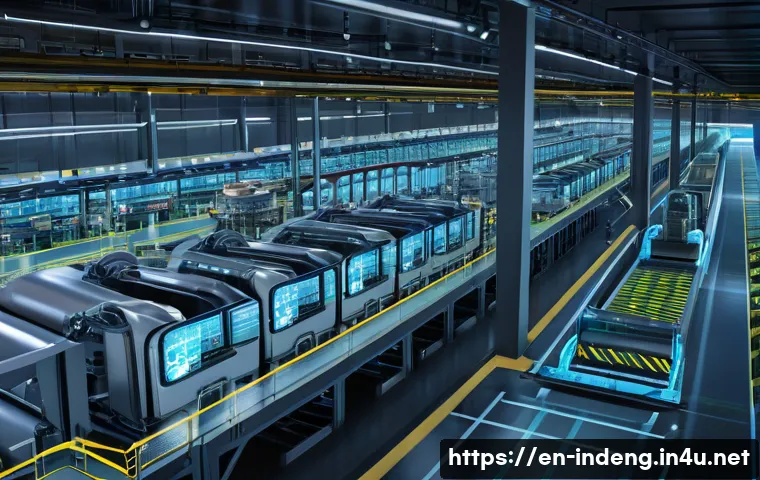
In today’s fast-paced world, the fields of industrial engineering and industrial design play crucial roles in shaping how products are made and experienced.
Industrial engineering focuses on optimizing complex processes, making systems more efficient and cost-effective. On the other hand, industrial design brings creativity and user-centered thinking to the forefront, crafting products that are not only functional but also visually appealing.
Both disciplines work hand-in-hand to improve everyday life, from manufacturing lines to the gadgets we use daily. If you’re curious about how these two areas intersect and impact our world, let’s dive in and explore the details together!
Enhancing Efficiency Through Process Innovation
Streamlining Workflow for Maximum Output
When you look closely at any production or service operation, you’ll notice that the flow of tasks and resources can either make or break efficiency. Optimizing these workflows isn’t just about cutting corners—it’s about smartly arranging steps to minimize downtime and eliminate bottlenecks.
From my experience working with manufacturing teams, even small tweaks like rearranging workstation layout or automating repetitive tasks can result in significant time savings and reduced errors.
The key lies in analyzing each process phase, identifying redundant actions, and then redesigning the sequence to flow naturally. This method ensures smoother transitions between tasks and boosts overall productivity without exhausting the workforce.
Data-Driven Decision Making in Complex Systems
One of the most powerful tools in improving operational systems is leveraging real-time data analytics. I’ve seen firsthand how companies that implement robust data collection and monitoring mechanisms gain insights that aren’t visible at first glance.
For example, tracking machine performance or employee task completion times allows managers to spot patterns, predict failures, and plan maintenance before costly breakdowns occur.
This proactive approach not only saves money but also maintains consistent quality. The integration of software solutions that visualize data trends plays a crucial role here, making it easier for teams to make informed decisions quickly and effectively.
Balancing Cost and Quality in Production
Finding the sweet spot between reducing expenses and maintaining high-quality output is a constant challenge. From my perspective, this balance requires a thorough understanding of materials, labor skills, and process capabilities.
I remember working on a project where substituting a slightly cheaper component without compromising durability led to a 15% cost reduction. However, this only worked because the engineering team rigorously tested the new material under real-world conditions.
It’s a delicate dance—cutting costs too aggressively can damage brand reputation, but ignoring efficiency opportunities wastes valuable resources. Striking this balance demands collaboration across departments and continuous evaluation of both financial and qualitative metrics.
Designing for User Experience and Emotional Connection
Creating Intuitive Interfaces That Feel Natural
When you pick up a well-designed product, it just feels right, doesn’t it? That’s no accident. Designers focus heavily on how people interact with products, aiming to make every touchpoint intuitive and frustration-free.
From personal experience testing consumer electronics, the difference between a good and great design often boils down to subtle cues—like the weight of a button or the smoothness of a touchscreen response.
These elements reduce the cognitive load on users, allowing them to operate devices effortlessly. The ultimate goal is for the user to feel empowered, not confused, which strengthens loyalty and satisfaction.
Blending Aesthetics with Functionality
A product’s look is often the first thing that catches your eye, but it shouldn’t come at the expense of usability. This balance is something designers constantly juggle.
I’ve observed that successful designs don’t just look good on a showroom shelf—they also solve real problems elegantly. For instance, ergonomic shapes that fit comfortably in your hand or visual cues that guide your actions are subtle ways designers marry form and function.
Achieving this harmony requires deep understanding of human behavior, materials, and manufacturing constraints. When done right, it elevates the entire experience from mere utility to something emotionally engaging.
Incorporating Sustainability into Creative Solutions
Sustainability has become a non-negotiable aspect of modern product design. Designers today are challenged to create items that not only delight users but also minimize environmental impact.
In my recent collaboration with eco-conscious startups, I’ve noticed innovative approaches like using biodegradable materials or designing for easy disassembly to facilitate recycling.
This shift demands creativity and technical know-how because sustainable materials often behave differently during manufacturing. Moreover, communicating these eco-friendly aspects transparently to consumers builds trust and encourages responsible choices.
It’s inspiring to see how design can be a powerful agent for positive environmental change.
Technology’s Role in Bridging Creativity and Efficiency
Advanced Software Tools for Concept Development
The design and development process has been revolutionized by powerful digital tools that bring ideas to life faster and more accurately. I’ve personally benefited from using 3D modeling and simulation software, which allows me to visualize complex concepts and test them virtually before physical prototypes exist.
This not only saves time and materials but also enables iterative refinement based on realistic feedback. These tools foster collaboration between creative and engineering teams, breaking down communication barriers and speeding up innovation cycles.
The ability to simulate real-world behavior under various conditions gives products a better chance to succeed right out of the gate.
Automation in Manufacturing: Precision Meets Creativity
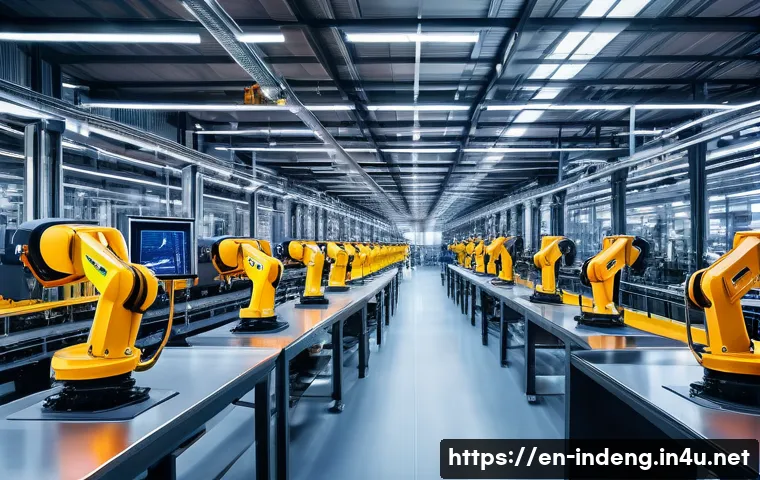
Automation technology is transforming how products are made, allowing for precision and repeatability that manual processes can rarely achieve. I’ve seen production lines where robots handle intricate assembly tasks with such accuracy that product defects drop dramatically.
This frees up human workers to focus on quality control and creative problem-solving, enhancing overall output. What fascinates me is how automation doesn’t stifle creativity but rather supports it by handling routine operations.
When machines and humans collaborate effectively, the result is a perfect blend of speed, quality, and innovation.
Virtual and Augmented Reality for Immersive Prototyping
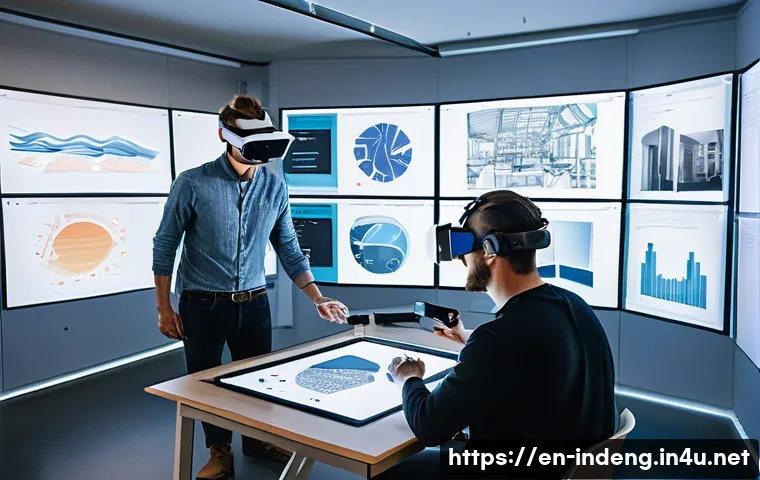
Virtual Reality (VR) and Augmented Reality (AR) are exciting frontiers that are reshaping the way products are designed and evaluated. From my experience attending design workshops using VR headsets, these technologies offer immersive environments where stakeholders can interact with virtual prototypes in real scale.
This immersive feedback helps identify usability issues or design flaws that might be missed on a flat screen. AR can also overlay digital information on physical objects, aiding assembly or maintenance tasks.
These immersive tools accelerate development cycles and reduce costly errors by catching problems early in a highly interactive way.
Collaborative Approaches to Problem Solving
Cross-Disciplinary Teams Driving Innovation
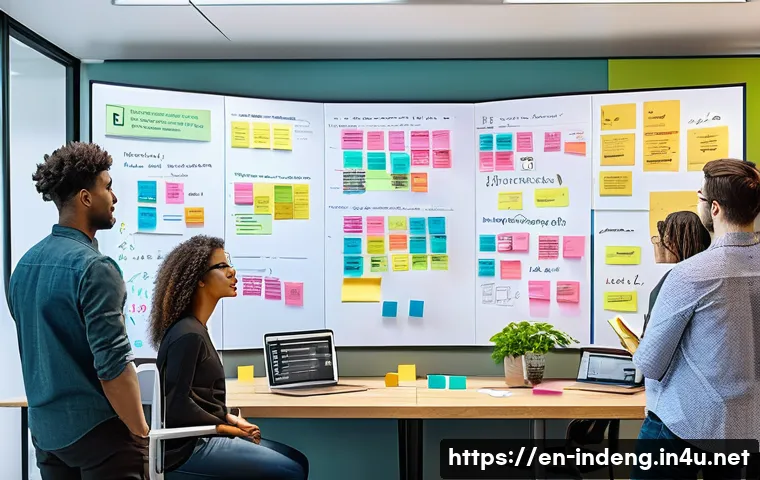
Innovation rarely happens in isolation. I’ve noticed that the most groundbreaking solutions come from teams that bring together diverse expertise—combining technical know-how with creative insight and business acumen.
When engineers, designers, marketers, and end-users collaborate closely, ideas evolve faster and are more thoroughly vetted. This dynamic fosters a culture of openness and continuous learning, where feedback is embraced rather than feared.
It’s a powerful reminder that complex challenges require collective intelligence rather than siloed efforts.
Integrating Customer Feedback into Development Cycles
Customers are the ultimate judges of any product, and integrating their feedback early and often is crucial. In my projects, actively involving users through surveys, focus groups, or beta testing has led to more refined and user-friendly outcomes.
This ongoing dialogue helps teams pivot quickly when necessary, avoiding costly missteps. It also builds a sense of community and trust around the product.
Understanding real-world use cases and pain points ensures that solutions are grounded in reality rather than assumptions, which is invaluable for long-term success.
Leveraging Agile Methodologies for Flexibility
The traditional linear approach to product development can be too rigid in today’s rapidly changing markets. Agile methodologies offer an alternative by emphasizing iterative progress, continuous feedback, and adaptability.
I’ve worked in agile teams where short development sprints allowed us to test ideas quickly and adjust based on results. This approach reduces risk by breaking projects into manageable chunks and fosters a mindset of experimentation and learning.
The flexibility inherent in agile methods is especially beneficial when trying to balance technical feasibility with creative aspirations.
Comparing Key Focus Areas in Process and Product Development
| Aspect | Efficiency-Oriented Approach | User-Centered Approach |
|---|---|---|
| Primary Goal | Maximize productivity and minimize waste | Enhance usability and emotional appeal |
| Core Activities | Process analysis, workflow optimization, automation | Concept ideation, visual design, ergonomic testing |
| Tools Used | Data analytics, simulation software, lean methodologies | 3D modeling, prototyping, user feedback sessions |
| Outcome Focus | Cost reduction, speed, consistency | Customer satisfaction, aesthetics, intuitive use |
| Typical Challenges | Balancing cost and quality, managing complexity | Aligning creativity with manufacturing constraints |
Future Trends Shaping Product Creation and Delivery
Smart Manufacturing and IoT Integration
The rise of smart factories and the Internet of Things (IoT) is changing how products are made and monitored in real time. I’ve observed companies embedding sensors into machinery and products to gather continuous data streams that optimize operations and predict maintenance needs.
This level of connectivity allows for unprecedented control over quality and efficiency, enabling rapid responses to changing conditions. It also opens doors to personalized products that adapt to individual user preferences, blurring the lines between mass production and customization.
Human-Centered AI Enhancing Design and Production
Artificial intelligence is becoming a co-creator rather than just a tool. From my involvement with AI-driven design software, these systems can generate design options based on user requirements and constraints, speeding up ideation phases.
In manufacturing, AI optimizes scheduling and quality inspection with a precision beyond human capability. The best outcomes arise when AI augments human creativity and judgment, helping teams explore possibilities they might not have considered.
This synergy promises more innovative and efficient product development workflows.
Emphasis on Circular Economy and Regenerative Design
Sustainability trends are pushing industries toward circular economy models where products are designed for reuse, repair, and recycling from the outset.
I’ve noticed more companies adopting regenerative design principles that aim to restore or improve the environment rather than simply reduce harm. This holistic approach requires rethinking materials, supply chains, and end-of-life strategies, but it also creates new business opportunities and strengthens brand reputation.
Consumers increasingly value transparency and environmental responsibility, making this shift both ethical and strategic.
Conclusion
Innovation in processes and product design is crucial for achieving both efficiency and user satisfaction. By embracing data-driven strategies, collaborative approaches, and emerging technologies, businesses can stay competitive while meeting evolving customer needs. Striking a balance between cost, quality, and sustainability ensures long-term success in today’s dynamic market. Ultimately, thoughtful integration of creativity and efficiency drives meaningful progress.
Useful Information to Keep in Mind
1. Streamlining workflows by identifying bottlenecks can significantly boost productivity and reduce errors.
2. Leveraging real-time data analytics helps predict issues early and maintain consistent quality.
3. Balancing cost reduction with quality preservation requires careful testing and cross-team collaboration.
4. Designing intuitive user interfaces enhances customer satisfaction and fosters brand loyalty.
5. Incorporating sustainability in design and manufacturing builds trust and aligns with modern consumer values.
Key Takeaways
Efficient process innovation and user-centered design are complementary pillars for successful product development. Employing advanced tools like AI, VR/AR, and automation supports both creativity and precision. Cross-disciplinary teamwork and agile methodologies enable adaptability in fast-changing environments. Prioritizing sustainability alongside performance not only benefits the planet but also strengthens market position. Keeping these principles in mind will help businesses create impactful, future-ready products.
Frequently Asked Questions (FAQ) 📖
Q: How do industrial engineering and industrial design complement each other in product development?
A: Industrial engineering and industrial design work together by balancing efficiency and aesthetics. Industrial engineers focus on streamlining production processes to reduce costs and improve quality, while industrial designers prioritize the user experience, making products intuitive and visually appealing.
When combined, this collaboration ensures that a product is not only easy and cost-effective to manufacture but also enjoyable and practical for consumers.
From my experience, products developed with both disciplines involved tend to have a smoother market entry and longer user satisfaction.
Q: What skills are essential for someone interested in both industrial engineering and industrial design?
A: To excel in both fields, you’ll need a mix of analytical and creative skills. Strong problem-solving abilities and knowledge of systems optimization are key for industrial engineering, whereas creativity, empathy for users, and a good eye for aesthetics are vital for industrial design.
Additionally, proficiency in CAD software, understanding of materials, and communication skills help bridge the gap between technical feasibility and design innovation.
I’ve noticed that professionals who can think both logically and artistically often become invaluable team members in product development projects.
Q: Can industrial design impact the efficiency goals of industrial engineering, or do they sometimes conflict?
A: While their goals might seem different, industrial design and industrial engineering usually complement rather than conflict with each other. Industrial designers might propose features that enhance user experience but initially seem complicated to produce.
However, industrial engineers can often find ways to adapt manufacturing processes to accommodate these designs efficiently. It’s a dynamic give-and-take; for example, in a project I was involved with, early design ideas were simplified through engineering input, maintaining aesthetics while reducing production time and cost.
This synergy ultimately leads to better products and happier customers.