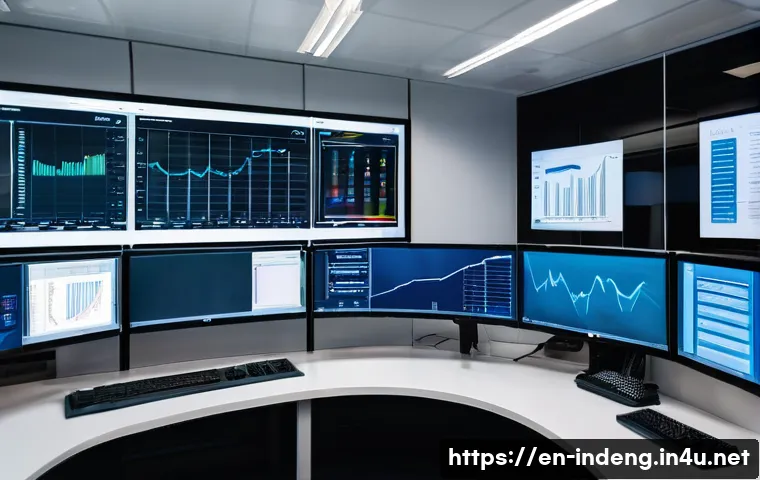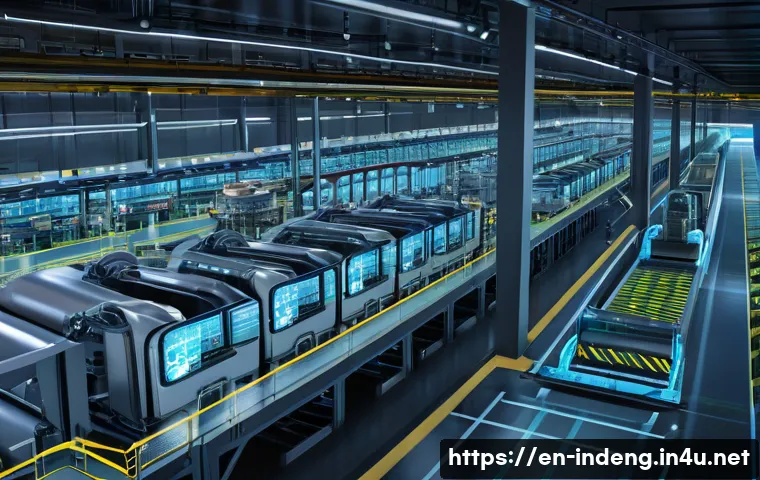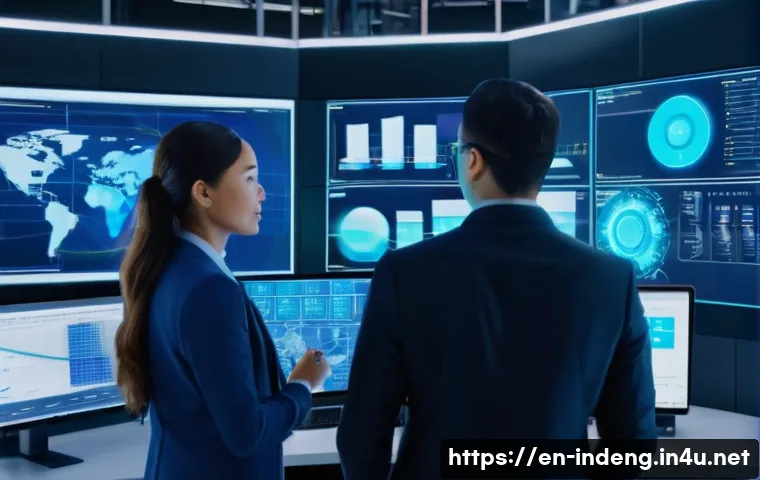
In today’s fast-evolving industrial landscape, digital twins have emerged as a game-changer, transforming how engineers design, analyze, and optimize complex systems.
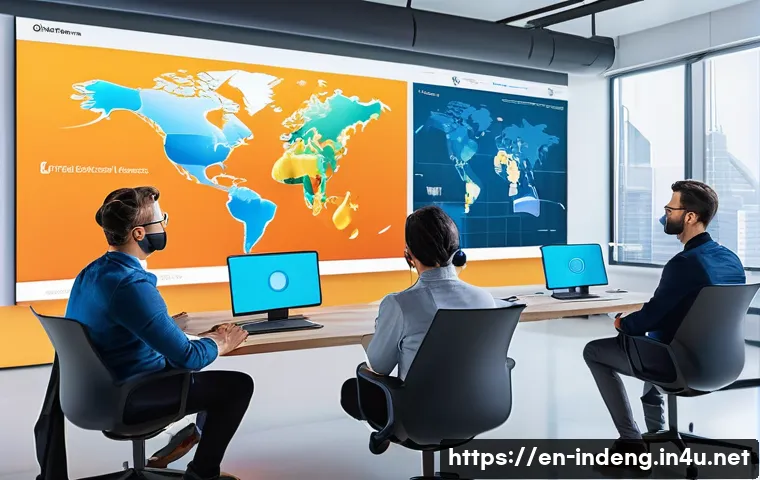
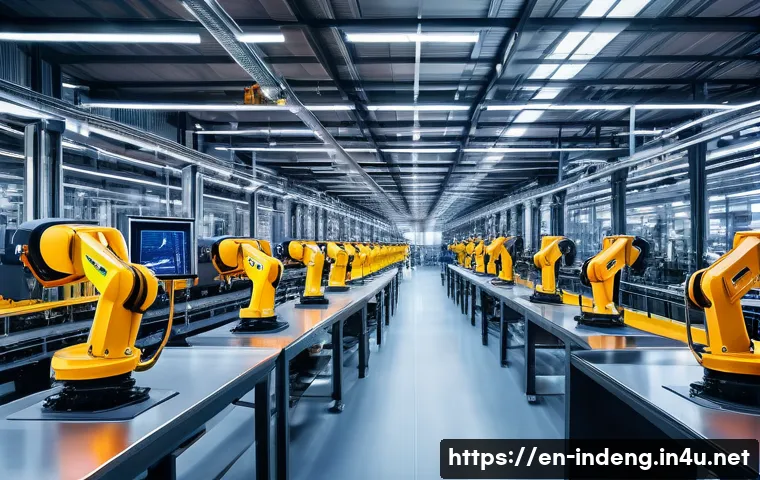
Industrial engineering now leverages these virtual replicas to simulate real-world processes with incredible precision, enabling smarter decisions and reducing costly errors.
From manufacturing floors to supply chain management, digital twins offer a dynamic way to foresee challenges and innovate solutions in real time. Having seen firsthand how this technology streamlines operations, I can say it’s reshaping the future of industry.
Let’s dive deeper and explore how digital twins are revolutionizing industrial engineering!
Unlocking Real-Time Insights with Virtual Replicas
Bringing Physical Processes into the Digital Realm
When you first interact with a digital twin, it’s fascinating to see how a physical asset or process is mirrored so accurately in a virtual environment.
This isn’t just a static model; it’s a living, breathing simulation that updates in real time as data streams in from sensors and operational systems.
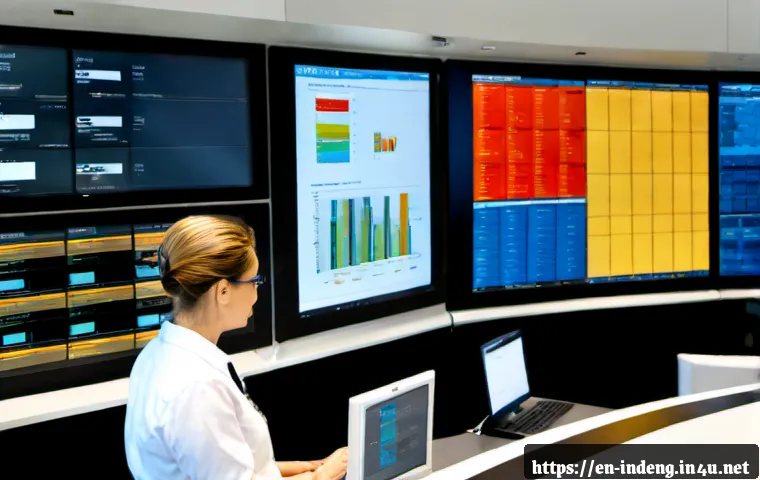
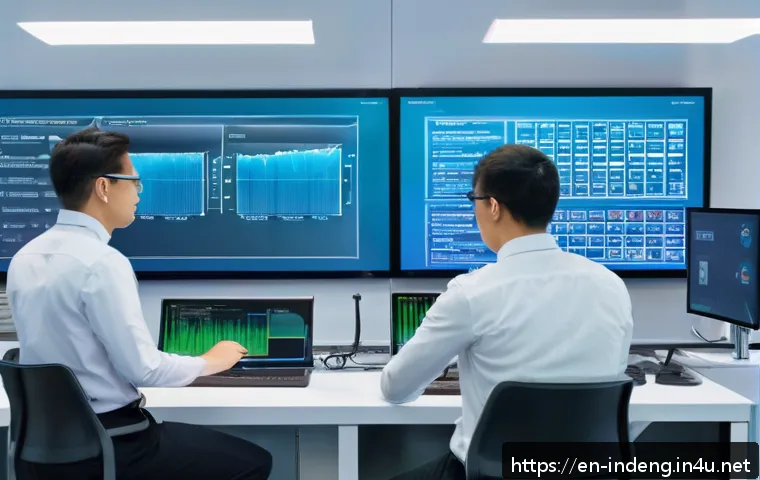
I’ve witnessed how this dynamic connection allows engineers to monitor machinery or production lines remotely, catching subtle performance shifts before they escalate into costly breakdowns.
The ability to visualize and manipulate these virtual copies means teams can test scenarios without halting actual operations, which is a massive time and cost saver.
Data-Driven Decision Making for Operational Excellence
One of the biggest advantages I’ve noticed is how digital twins turn raw data into actionable insights. Instead of sifting through endless spreadsheets or vague reports, engineers get a clear picture of what’s happening and why.
By simulating “what-if” scenarios—like adjusting machine speed or changing materials—decision-makers can predict outcomes and optimize processes on the fly.
This proactive approach minimizes downtime and waste, driving efficiency across the board. It’s like having a crystal ball that’s grounded in real-world physics and current operational conditions, providing a level of clarity that’s hard to achieve otherwise.
Seamless Integration with IoT and AI Technologies
The magic really happens when digital twins are integrated with Internet of Things (IoT) devices and artificial intelligence. Sensors embedded in equipment feed continuous streams of data, which AI algorithms analyze to detect patterns or anomalies.
I’ve seen how this trio works together to create a feedback loop where the virtual model learns and evolves alongside the physical asset. This synergy not only improves predictive maintenance but also enhances quality control by spotting defects early.
The result is a smarter, more responsive industrial ecosystem that adapts in real time to changing conditions.
Enhancing Product Development through Simulation
Rapid Prototyping without Physical Constraints
Gone are the days when building a physical prototype was the only way to test a new design. Digital twins let engineers experiment with different configurations and materials virtually, speeding up the iteration process exponentially.
I recall a project where the team reduced development time by weeks because they could simulate stress tests and thermal behavior within the digital environment.
This approach doesn’t just cut costs; it also encourages creativity, since designers can explore bold ideas without the fear of expensive failures.
Collaborative Design Across Geographies
Another cool aspect is how digital twins foster collaboration among dispersed teams. Engineers, designers, and managers from around the world can access the same up-to-date virtual model, making real-time feedback and adjustments possible.
This has a huge impact on reducing miscommunication and ensuring everyone is aligned. Having personally worked on projects with remote stakeholders, I can attest that digital twins make it feel like you’re all in the same room, smoothing out the complexities of international collaboration.
Testing Extreme Conditions Safely
Testing how a product or system performs under extreme conditions—like high pressure, temperature, or vibration—can be risky and expensive in the real world.
Digital twins offer a safe environment to push limits and observe failures without physical damage. I’ve seen engineers simulate scenarios such as equipment overload or emergency shutdowns, gaining insights that would be impossible or dangerous to gather otherwise.
This capability not only improves safety but also informs design improvements that enhance durability and reliability.
Optimizing Supply Chains with Predictive Modeling
Visualizing Complex Logistics Networks
Supply chains are notoriously complex, with countless moving parts and unpredictable variables. Digital twins help by creating a visual and analytical map of the entire network—from raw material sourcing to final delivery.
In my experience, this visibility helps identify bottlenecks and inefficiencies that were previously hidden in spreadsheets or siloed systems. For example, you can see how a delay at one supplier ripples through the chain, enabling proactive adjustments before customer impact occurs.
Demand Forecasting and Inventory Management
Using historical data combined with real-time market trends, digital twins enable more accurate demand forecasting. This means inventory levels can be optimized to avoid both shortages and overstock.
I’ve worked with teams who leveraged these models to reduce carrying costs significantly, freeing up capital while maintaining service levels. The predictive power also supports just-in-time manufacturing strategies, reducing waste and improving responsiveness to market fluctuations.
Risk Assessment and Contingency Planning
Unexpected disruptions—like natural disasters or supplier failures—can cripple supply chains. Digital twins allow companies to simulate various disruption scenarios and develop contingency plans accordingly.
I’ve seen how this preparedness pays off when rapid responses prevent cascading failures. By stress-testing the supply chain virtually, businesses gain resilience and confidence to navigate uncertainties without panic.
Driving Maintenance Strategies Toward Predictive Excellence
From Reactive to Predictive Maintenance
Traditionally, maintenance was reactive or scheduled at fixed intervals, often leading to unnecessary downtime or unexpected failures. Digital twins revolutionize this by enabling predictive maintenance, where repairs are performed only when data indicates an impending issue.
I’ve been part of operations where shifting to this model extended equipment life and cut maintenance costs by a significant margin. The continuous monitoring and analysis mean maintenance teams can prioritize efforts effectively, avoiding costly disruptions.
Condition Monitoring and Anomaly Detection
With real-time data flowing into the digital twin, subtle changes in equipment behavior are detected early. This early warning system helps catch anomalies that might otherwise go unnoticed until a breakdown occurs.
I’ve observed how this capability leads to smarter scheduling and resource allocation, as technicians are dispatched precisely when and where needed. It also enhances safety by preventing catastrophic failures before they happen.
Optimizing Spare Parts Inventory
Another practical benefit lies in managing spare parts inventory. By predicting which components are likely to fail and when, companies can stock the right parts in the right quantities.
In my own experience, this has reduced excess inventory and minimized delays waiting for replacements. The digital twin’s insights streamline procurement and logistics, aligning maintenance activities with supply chain realities.
Boosting Energy Efficiency and Sustainability
Analyzing Energy Consumption Patterns
Digital twins provide a detailed view of how energy is consumed across processes and equipment. By breaking down usage patterns, I’ve seen how teams identify wasteful practices or inefficient machines.
This granular insight enables targeted interventions to reduce energy costs without sacrificing productivity. It’s empowering to watch sustainability efforts gain traction through such clear, data-driven strategies.
Simulating Environmental Impact of Operations
Beyond energy, digital twins can model environmental factors like emissions, water use, and waste generation. This helps companies understand their ecological footprint and explore greener alternatives.
I’ve been impressed by how simulations reveal trade-offs and benefits of different choices, supporting more informed sustainability initiatives. This level of analysis also aids compliance with increasingly stringent environmental regulations.
Supporting Circular Economy Models
Digital twins contribute to circular economy approaches by tracking product lifecycle and enabling reuse or recycling strategies. I’ve noticed that companies using this technology can plan for end-of-life scenarios more effectively, reducing landfill waste and maximizing resource recovery.
This holistic perspective aligns business goals with environmental stewardship, creating long-term value.
Understanding the ROI and Implementation Challenges
Measuring the Impact on Productivity and Costs
Investing in digital twin technology demands clear metrics to justify costs. From my involvement in several implementations, it’s crucial to quantify improvements in uptime, quality, and speed.
Companies that track these KPIs find compelling evidence of ROI, often reporting double-digit gains in efficiency and substantial cost savings. However, the benefits don’t appear overnight; a thoughtful rollout and ongoing optimization are key.
Addressing Data Integration and Quality Issues
One of the toughest hurdles is integrating diverse data sources into a cohesive digital twin. In practice, I’ve seen teams struggle with inconsistent or incomplete data, which can undermine model accuracy.
Overcoming this requires robust data governance and collaboration across departments. Investing in clean, reliable data upfront pays dividends in trustworthiness and usability of the digital twin.
Building Skills and Change Management
Adopting digital twins isn’t just a technical upgrade; it’s a cultural shift. From my experience, empowering engineers and operators with new tools and workflows demands training and open communication.
Resistance to change can stall progress, so leadership involvement and clear demonstration of benefits are essential. When teams embrace the technology, the transformation accelerates and becomes sustainable.
| Aspect | Benefit | Real-World Impact |
|---|---|---|
| Real-Time Monitoring | Immediate detection of issues | Reduced downtime by up to 30% |
| Predictive Maintenance | Maintenance only when needed | Cost savings of 20-40% on repairs |
| Simulation & Testing | Risk-free experimentation | Faster product development cycles |
| Supply Chain Visibility | End-to-end logistics optimization | Improved on-time delivery by 25% |
| Energy Efficiency | Detailed consumption analysis | Energy cost reduction up to 15% |
| Collaboration | Remote and real-time teamwork | Shortened project timelines |
Looking Ahead: The Future of Smart Industrial Ecosystems
Continuous Learning and Autonomous Systems
The evolution of digital twins is steering toward self-improving models powered by machine learning. I’ve been following developments where twins not only simulate but also autonomously optimize operations based on accumulated data.
This promises a future where industrial systems can adapt instantly to changes, minimizing human intervention and maximizing efficiency.
Expanding Applications Beyond Manufacturing
While manufacturing has been the primary beneficiary, digital twins are rapidly extending to other sectors like energy grids, transportation, and healthcare infrastructure.
I find it exciting how this technology enables smarter cities and sustainable development by providing granular control and foresight across complex systems.
Ethical and Security Considerations
As digital twins become more integral, concerns around data privacy and cybersecurity grow. It’s crucial to build robust safeguards to protect sensitive information and prevent malicious interference.
From my perspective, balancing innovation with ethical responsibility will be a defining challenge for the industry moving forward.
Wrapping Up
Digital twins are transforming industries by providing real-time visibility, predictive insights, and collaborative tools that boost efficiency and innovation. From optimizing maintenance to enhancing sustainability, their impact is profound and far-reaching. As this technology continues to evolve, embracing it thoughtfully will be key to unlocking new levels of operational excellence and resilience.
Useful Information to Keep in Mind
1. Digital twins enable real-time monitoring, helping catch issues early and reduce costly downtime.
2. Predictive maintenance powered by digital twins can significantly cut repair costs and extend equipment life.
3. Virtual simulation accelerates product development by allowing risk-free testing of designs and scenarios.
4. Integrating digital twins with IoT and AI enhances supply chain visibility and responsiveness to market changes.
5. Energy consumption analysis through digital twins supports targeted sustainability efforts and cost savings.
Key Takeaways
Embracing digital twins requires more than just technology—it demands clean, integrated data and a culture open to change. The measurable benefits include improved uptime, faster development cycles, and better collaboration across teams and locations. However, success depends on careful implementation, ongoing optimization, and addressing ethical considerations such as data security. Companies that navigate these challenges effectively position themselves for a smarter, more agile future.
Frequently Asked Questions (FAQ) 📖
Q: What exactly is a digital twin in industrial engineering?
A: A digital twin is essentially a virtual replica of a physical system, process, or product used in industrial engineering. It mirrors real-world operations by integrating data from sensors and other sources, allowing engineers to simulate, analyze, and optimize performance in a risk-free environment.
This means you can test different scenarios and predict outcomes without interrupting the actual system, which saves time, reduces errors, and boosts efficiency.
Q: How do digital twins improve manufacturing and supply chain processes?
A: Digital twins enable real-time monitoring and simulation of manufacturing lines and supply chains, which helps identify bottlenecks, predict maintenance needs, and optimize resource allocation before problems arise.
From my experience, this proactive insight drastically reduces downtime and operational costs. For example, a manufacturer can simulate changes in production schedules or logistics routes within the digital twin to see the impact instantly, making the supply chain much more agile and responsive.
Q: Are there challenges or limitations when implementing digital twins in industry?
A: While digital twins offer tremendous benefits, setting them up can be complex and resource-intensive. Accurate data collection is crucial, and integrating different systems can be a technical hurdle.
Also, the initial investment in software, sensors, and training might be significant, especially for smaller companies. However, once implemented, the long-term savings and efficiency gains typically outweigh these upfront challenges, making it a worthwhile strategic move.